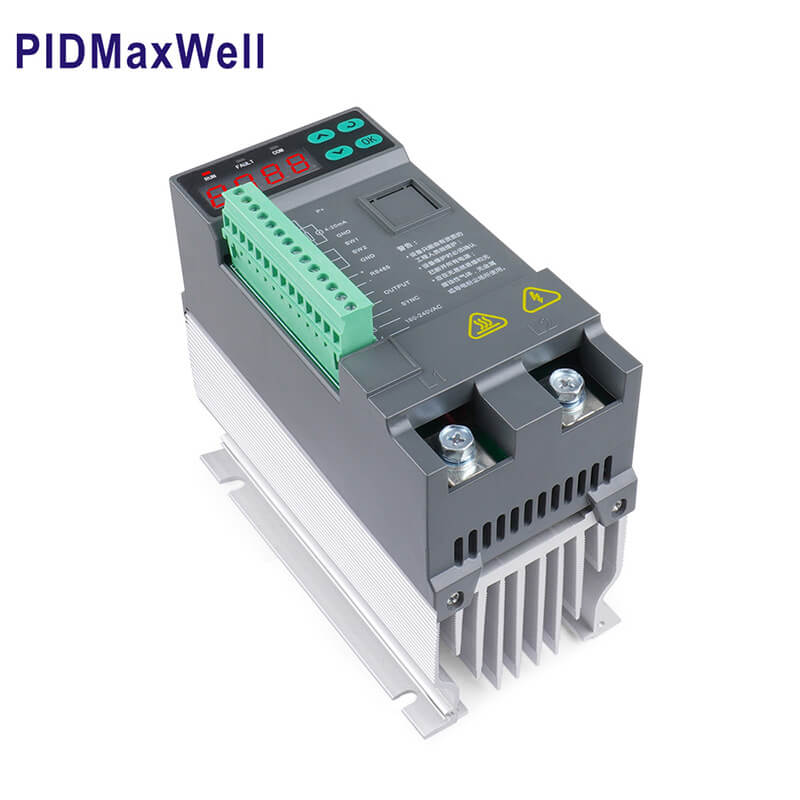
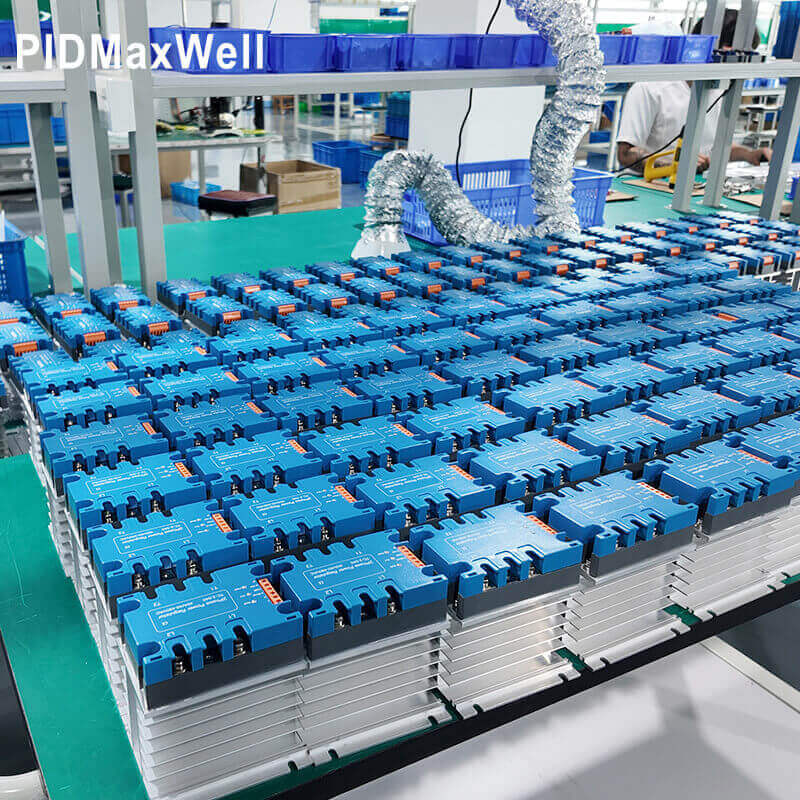
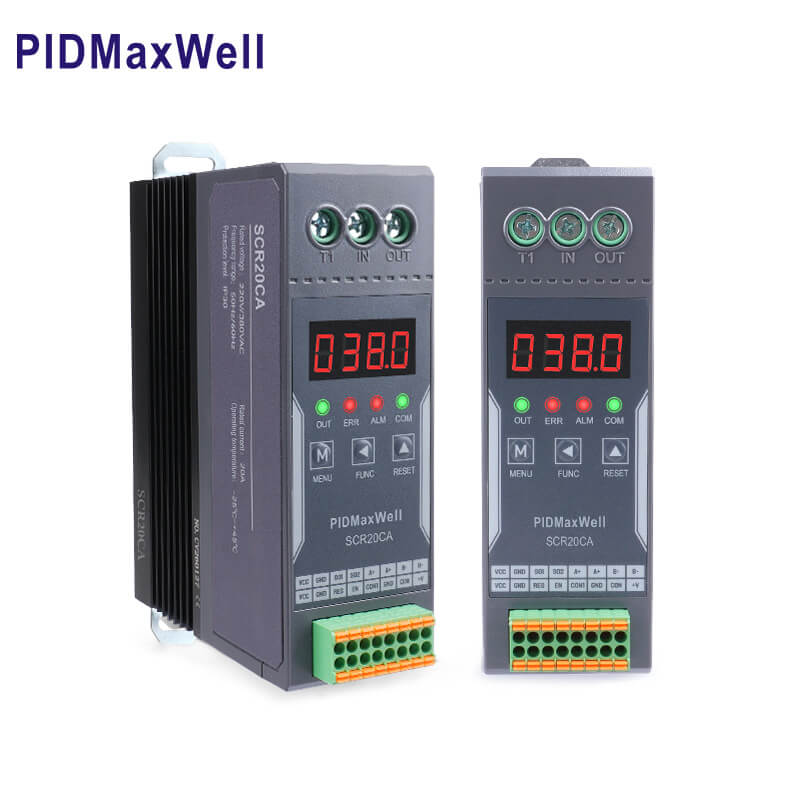
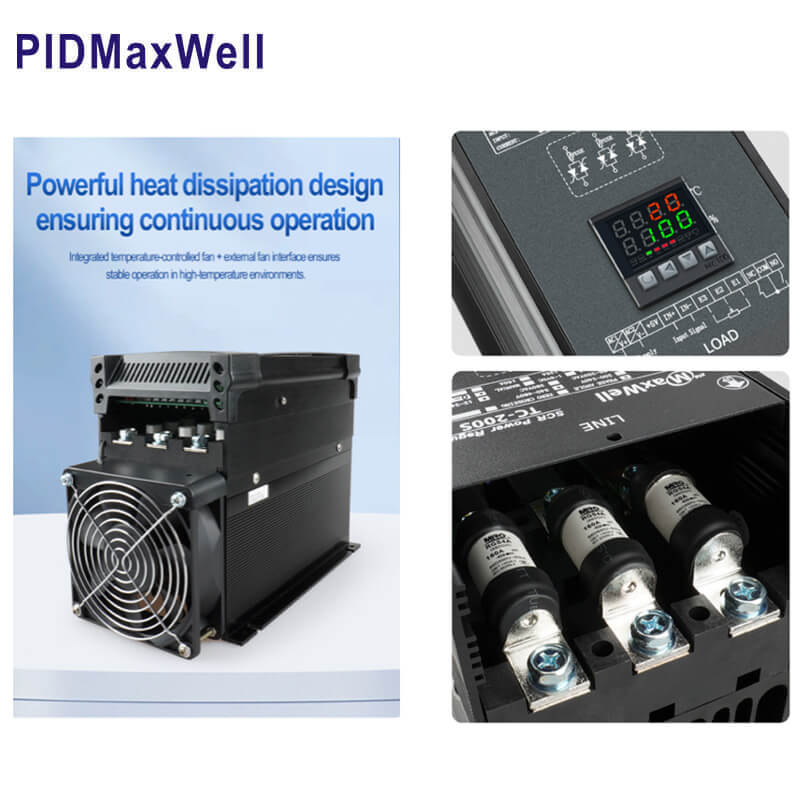
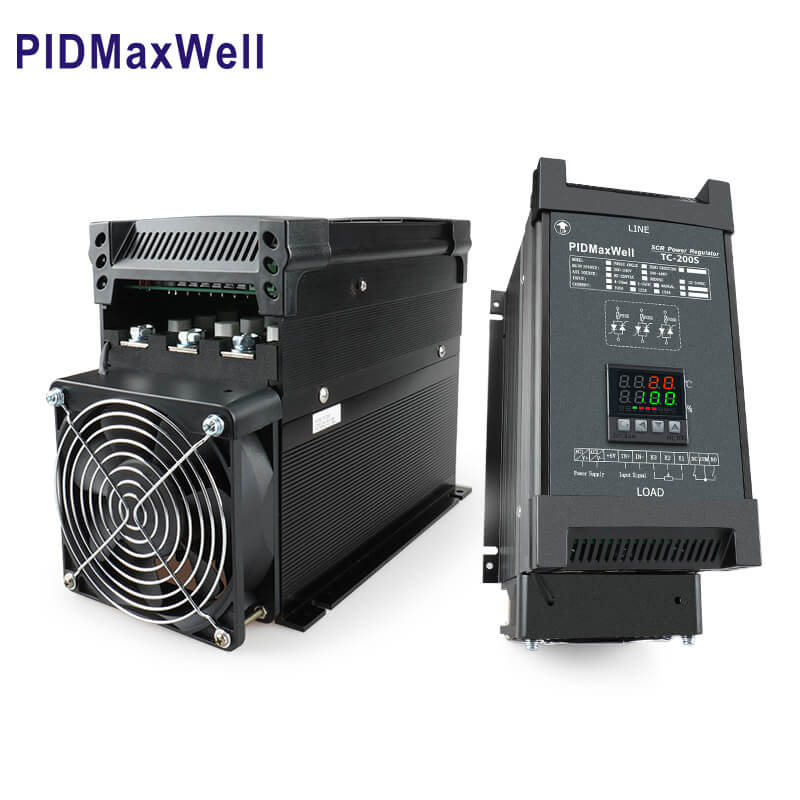
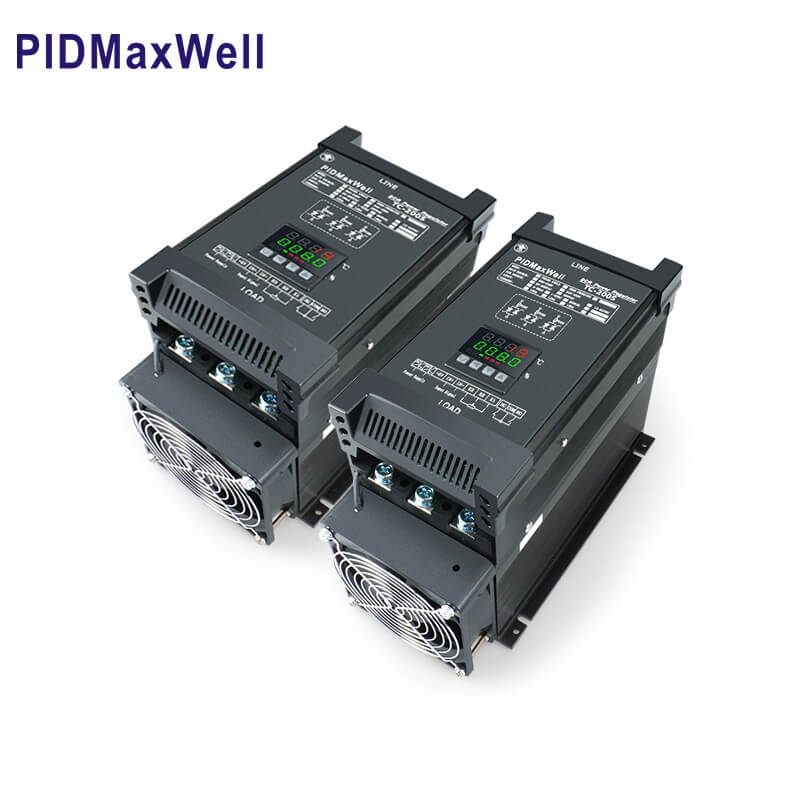
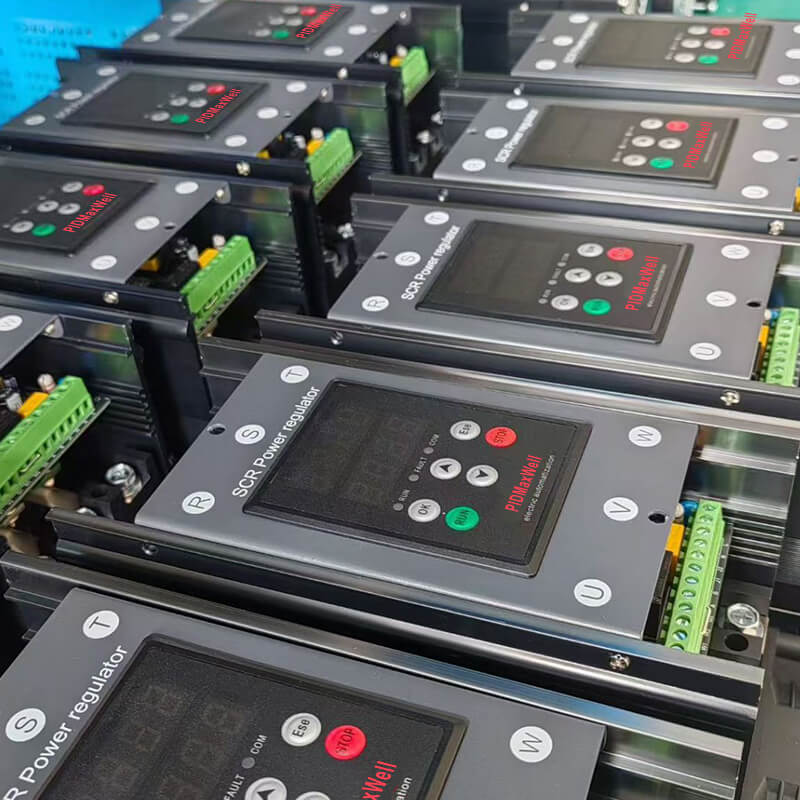
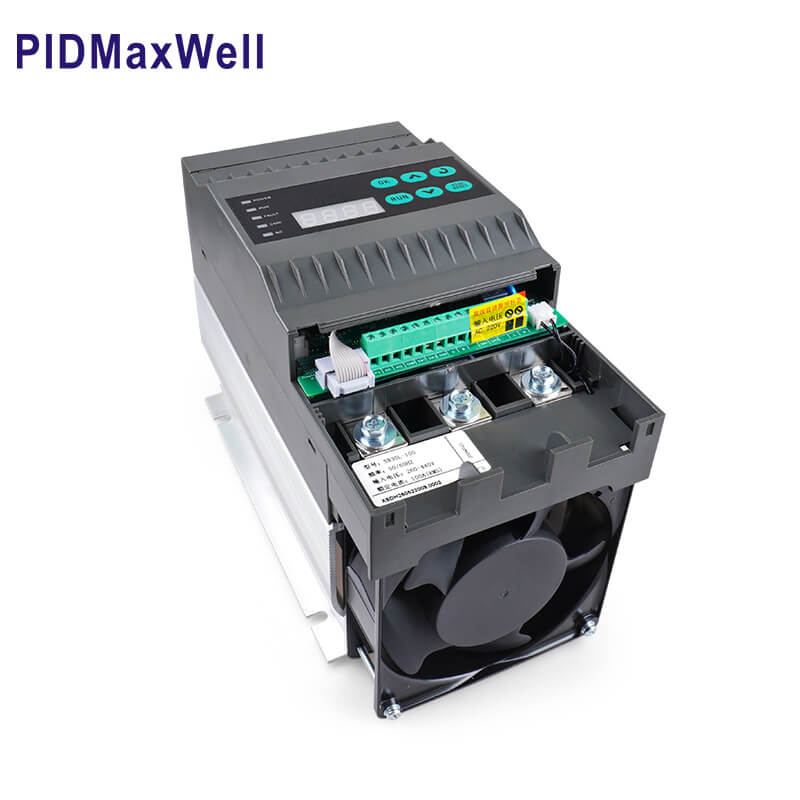
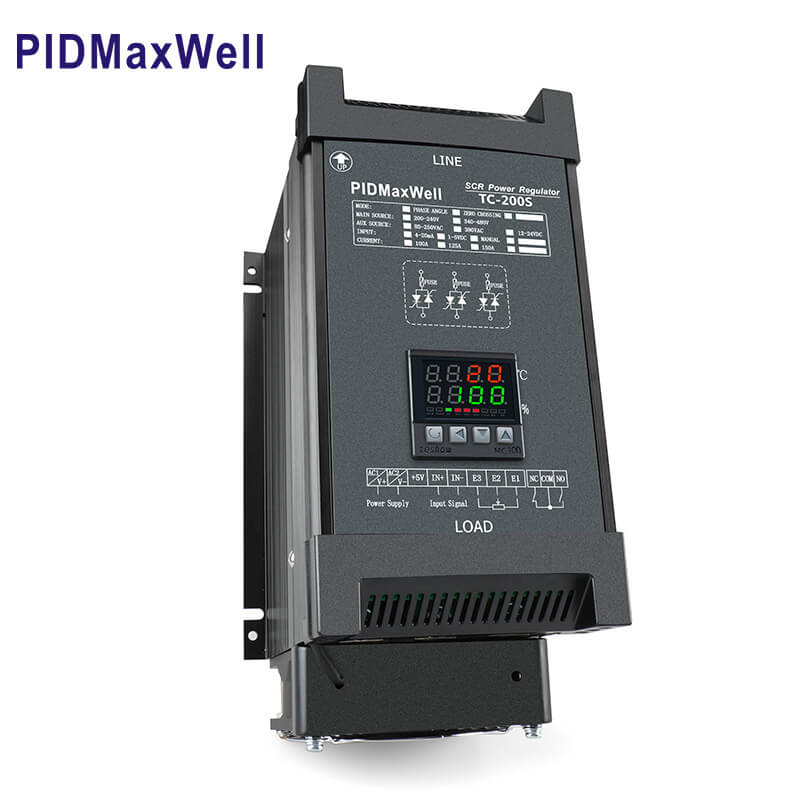
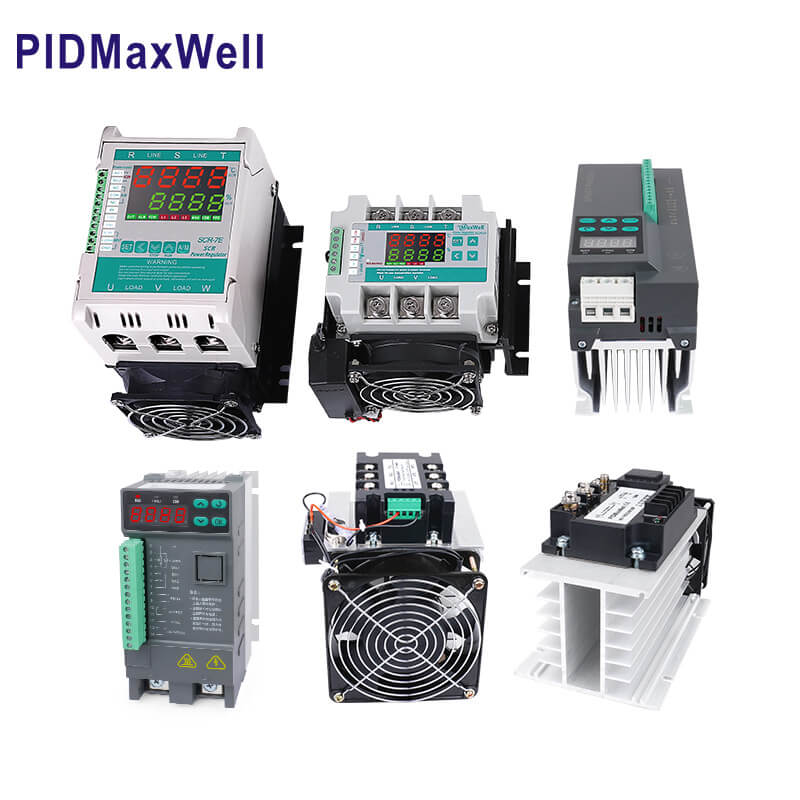
I. What problems does a power regulator solve? The core function of a power regulator is to continuously regulate the output power of the electric heating equipment. Take an industrial oven as an example: starting from room temperature, it needs to heat up to the set temperature and then maintain a constant temperature. If it heats at full power continuously, the temperature can easily overshoot; if only a regular switch is used for intermittent on/off switching, the temperature will fluctuate, resulting in unsatisfactory temperature control. A power regulator allows the heating power to continuously change according to the actual temperature demand, making the heating and temperature stabilization processes smoother and effectively reducing temperature fluctuations. II. Where does it fit in the temperature control system? In a complete temperature control system, each component has its specific function: The temperature controller detec...
In industrial equipment production and operation, temperature control is a core factor determining product yield, equipment stability, and energy costs. Currently, many equipment manufacturers still use traditional solid-state relays for temperature control, but the drawbacks of long-term use are becoming increasingly apparent. They can no longer meet the demands of high-precision industrial production and are gradually becoming a bottleneck for improving quality and efficiency in the industry. Traditional solid-state relays rely on simple on/off modes for temperature control, which has fatal flaws. During operation, they can only mechanically open and close circuits, unable to finely adjust power, making them prone to problems such as fluctuating temperatures, over-temperature lag, poor temperature control accuracy, and large fluctuations. Frequent on/off switching not only leads to temperature control data deviations, affecting product processing quality, but also cause...
In the field of industrial electric heating, the power regulator is the core component for achieving precise temperature control. Many people have an intuitive understanding of its "temperature stabilization" effect, but may not fully understand its internal functions and operating logic. In short, the power regulator undertakes the crucial task of translating the commands issued by the temperature control system into the actual power required by the heating load. I. Functional Positioning of the Power Regulator The fundamental function of the power regulator is to steplessly regulate the output power of the heating load (such as heating elements, resistance wires, infrared lamps, etc.). During electric heating, power directly determines the heating rate. The power regulator can dynamically adjust the output power based on the analog signals transmitted by the temperature controller or programmable logic controller (PLC). This allows the equipment to obtain the mos...
In modern intelligent manufacturing systems, power regulators are gradually becoming core actuators in power management. Whether in precision temperature control systems or high-power drive units, power regulators, with their flexible power adjustment capabilities, bring significant performance leaps to equipment. So, how do power regulators achieve dynamic power output matching in milliseconds? And why are they called the "invisible driving force of industrial energy saving"? This article will systematically dissect the technical architecture and practical value of power regulators from underlying logic to application scenarios. Re-understanding Power Regulators Essentially, a power regulator is a solid-state power regulation device. It does not rely on mechanical contacts but uses semiconductor switching devices to achieve effective control of the voltage and current at the load end. From resistance heating furnaces to AC motor soft starts, power regulators can a...
Inconsistent output values from three-phase SCR power regulators are not uncommon during on-site commissioning and maintenance. However, whether this phenomenon will impair heating performance depends on the source and severity of the difference. If the discrepancy is merely a deviation in readings from a standard voltmeter, while the three-phase currents are similar, the equipment's heating rate is normal, and temperature control is stable, then this difference is likely related to the SCR's chopper output waveform. Standard instruments are inaccurate for non-sinusoidal voltages, so there's no need to jump to conclusions; simply keep operational records and continue monitoring. Conversely, if the current in one phase is significantly lower than the other two, or even zero, or if the temperature in a specific area of the furnace or drying tunnel fails to reach the set value, then the problem has substantially interfered with the heating process, and the cause must be investi...
In industries such as mold temperature controllers, electric furnaces, kilns, and drying ovens, a common headache is encountering a situation where the temperature controller displays 100% output, the power regulator panel shows normal readings, and the ammeter also displays a reading, yet the temperature simply won't rise. Many people's first reaction is to assume it's an aging heating element, a damaged temperature controller, or insufficient power supply voltage. However, after on-site troubleshooting, the real problem often lies in a mismatch between the power regulator's adjustment mode and the load type. One common symptom is that the current is displayed, but the actual heat output is significantly insufficient. All three phases show current readings, and the equipment appears to be working, but the heating rate is noticeably slower, and the time to reach the set temperature is greatly extended. The technical root cause is that many devices use a phase-shift voltag...
While power regulators may appear to be standardized products, significant differences between manufacturers become apparent when they are deployed in industrial settings. Price is merely one factor; more critical considerations include accurate model selection, sufficient application experience, professional pre-sales consultation, and timely after-sales support. You can assess a manufacturer's professionalism by looking at a few key details. First, observe whether the manufacturer proactively verifies the operating conditions. A professional manufacturer will not simply ask for the required amperage; they will also confirm details such as voltage, load type, control signals, wiring configuration, installation environment, continuous operation duration, and temperature control requirements. If a supplier provides a quote based solely on current without asking these questions, the likelihood of future issues increases. Second, consider their understanding of differ...
When selecting a three-phase power regulator, many customers focus first on total power—asking, "What size do I need?" based on the equipment's actual load wattage. While this approach isn't wrong, power rating alone isn't enough; you also need to consider voltage, current per phase, load type, temperature controller signals, and the electrical cabinet's heat dissipation conditions. First, distinguish between single-phase and three-phase systems. Use a single-phase power regulator for 220V single-phase heating elements. For 380V three-phase heating equipment—such as ovens, electric furnaces, heat treatment furnaces, or drying equipment—a three-phase power regulator is mandatory. Even if the total power is low, if the load is wired in a three-phase configuration, you cannot simply choose a single-phase unit for convenience; the current must be calculated based on three-phase requirements. The current per phase is the critical factor. For example, w...
In the daily operation of industrial heating equipment, almost every field engineer has encountered this scenario: the moment the start button is pressed, the circuit breaker in the power distribution cabinet trips immediately—the equipment "goes on strike" before it even begins to work. This happens frequently, especially when the equipment is starting from a cold state: the ammeter needle swings violently to the maximum, a dull "hum" might be heard from the contactor, and then everything goes dead. Faced with this predicament, many people’s first reaction is to suspect the circuit breaker is undersized, complain about unstable grid voltage, or blame the power regulator itself. However, seasoned veterans will tell you that the real culprit behind these frequent trips often lies in the massive inrush current that occurs the moment startup begins. To understand this phenomenon, one must look at the physical properties of electric heating elements. Whether it is...
When encountering "SCR power regulators" for the first time, many users are often confused by the technical terminology and unclear about the practical problems the device solves. In reality, its role is straightforward: it is not merely a simple on/off switch, but a device capable of continuously adjusting electric heating power based on temperature requirements. With this device, heating output is no longer an "all-or-nothing" affair; instead, it becomes smooth, controllable, and precise—marking the fundamental difference between it and traditional contactors. In electric heating systems, heating elements require power to generate heat. If controlled solely by contactors, the elements are limited to two extreme states: full-power heating or complete shutdown. This crude on/off control often causes temperature fluctuations akin to a rollercoaster ride in applications requiring constant temperatures, making it difficult to meet process specifications. The SCR power ...