-
Tel : +86-592-6382791
-
Email : sales@pidmaxwell.com
Tel : +86-592-6382791
Email : sales@pidmaxwell.com


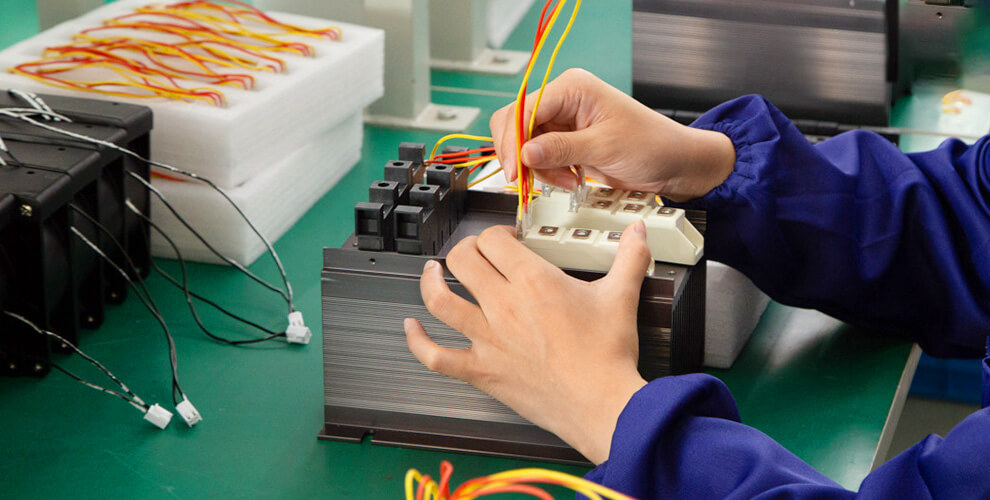
Inconsistent output values from three-phase SCR power regulators are not uncommon during on-site commissioning and maintenance. However, whether this phenomenon will impair heating performance depends on the source and severity of the difference. If the discrepancy is merely a deviation in readings from a standard voltmeter, while the three-phase currents are similar, the equipment's heating rate is normal, and temperature control is stable, then this difference is likely related to the SCR's chopper output waveform. Standard instruments are inaccurate for non-sinusoidal voltages, so there's no need to jump to conclusions; simply keep operational records and continue monitoring. Conversely, if the current in one phase is significantly lower than the other two, or even zero, or if the temperature in a specific area of the furnace or drying tunnel fails to reach the set value, then the problem has substantially interfered with the heating process, and the cause must be investigated immediately.
From a heating performance perspective, the problems caused by three-phase output imbalance extend beyond slower heating. When one phase's output is insufficient, the total heating power of the entire equipment is naturally reduced, resulting in longer waiting times for the same set temperature. This directly reduces production efficiency in mass-production ovens, electric furnaces, and heat treatment circuits. Even more challenging is the disruption of temperature uniformity. Most three-phase heating loads correspond to different heating zones or independent heating element groups. A decrease in the power of one phase will cause the corresponding heating zone to be underheated, resulting in significant hot and cold zones within the furnace. For processes requiring stringent temperature field consistency, such as drying, curing, plastic molding, and metal heat treatment, this temperature difference can easily lead to over- or under-heating of products, increasing the scrap rate. Another hidden issue easily overlooked is that if the temperature sensor happens to be installed in a normally heated area, while the underheated area goes undetected, the temperature controller may mistakenly believe the target value has been reached, prematurely reducing the total output. While the displayed temperature may look good, the actual temperature in the process area is insufficient, a typical example of "hidden malfunction."
Besides affecting heating quality, long-term three-phase output deviations can also create hidden dangers for the equipment itself. Due to the unbalanced three-phase load, one phase will inevitably bear a current exceeding the average value. The wires, terminals, SCR chips, and heating elements on this phase will be under constant overload. If poor heat dissipation or slightly loose wiring is added to the problem, the local temperature rise will increase sharply. Over time, this can easily burn out terminals, damage the module, and even trigger frequent alarms and fuse failure. Therefore, we cannot only focus on the heating effect; we must also consider this issue from the perspective of equipment lifespan and safety.
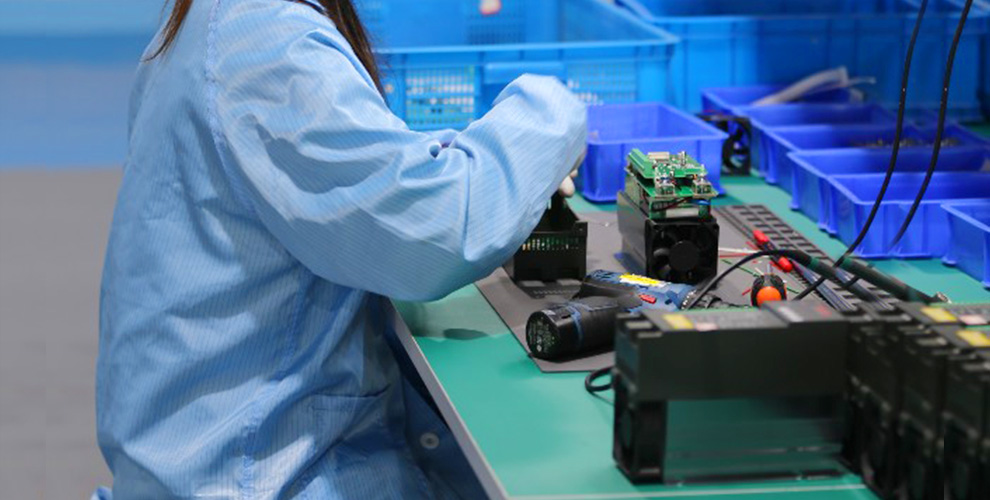
Ultimately, differences in the output values of a three-phase power regulator do not necessarily affect the heating effect. What truly needs to be addressed are current imbalance, uneven load, and temperature field deviation. On-site diagnosis should primarily rely on the actual readings of the three-phase current, the temperature distribution in each area, and the heating quality of the product. A systematic troubleshooting approach should be used to narrow down the scope step by step, ensuring accurate and efficient problem-solving and guaranteeing the safe and stable operation of the equipment.

Address : NO.201 Binhuyili, HaiCang district, XiaMen,FuJian, China 361026
Max liao: +8618150368619(whatsapp)
Email : sales@pidmaxwell.com
Scan via wechat

Scan to Whatsapp