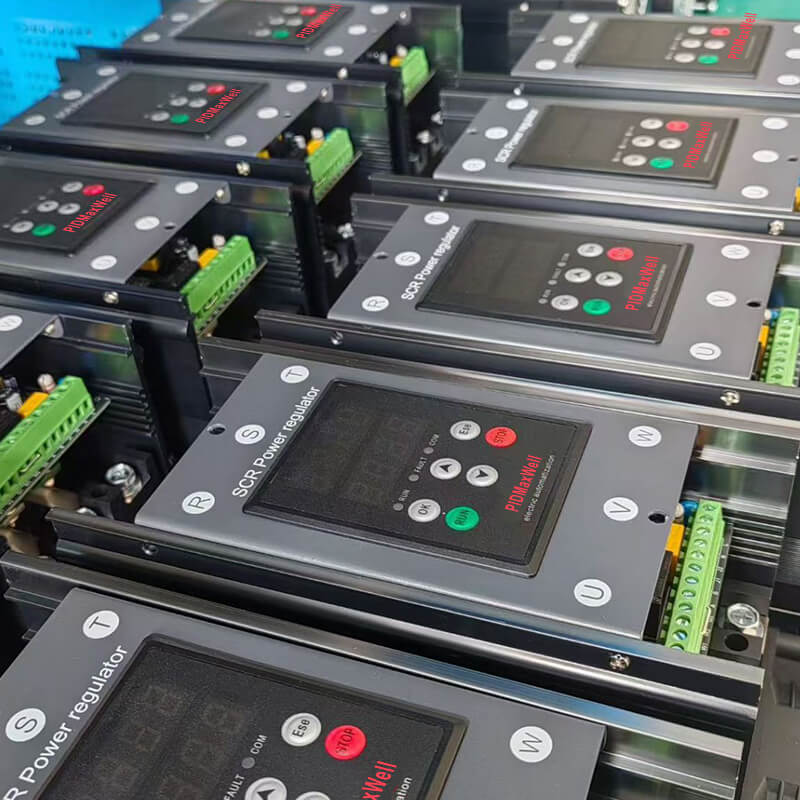
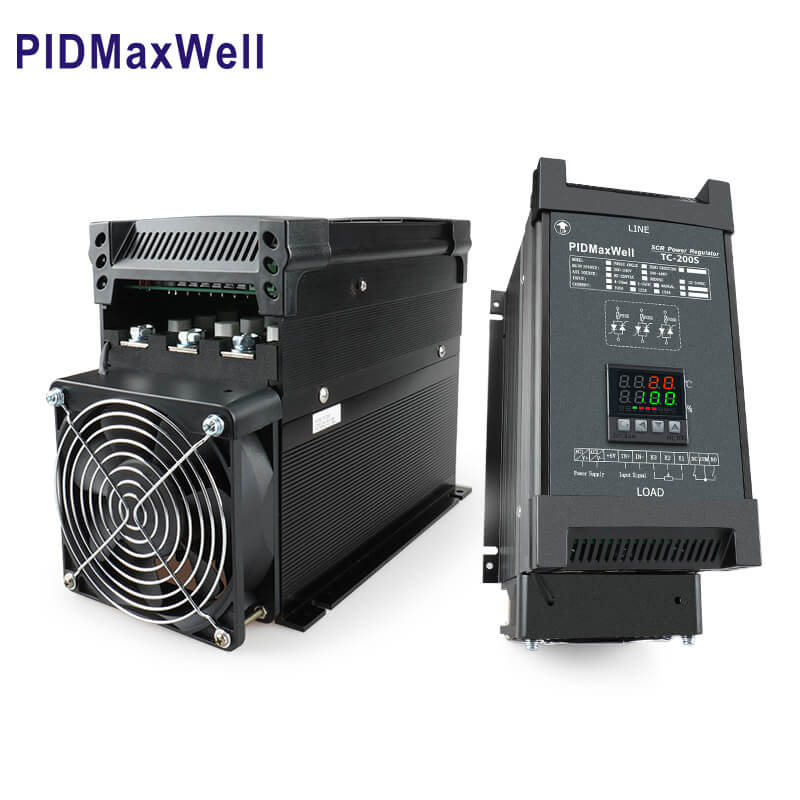
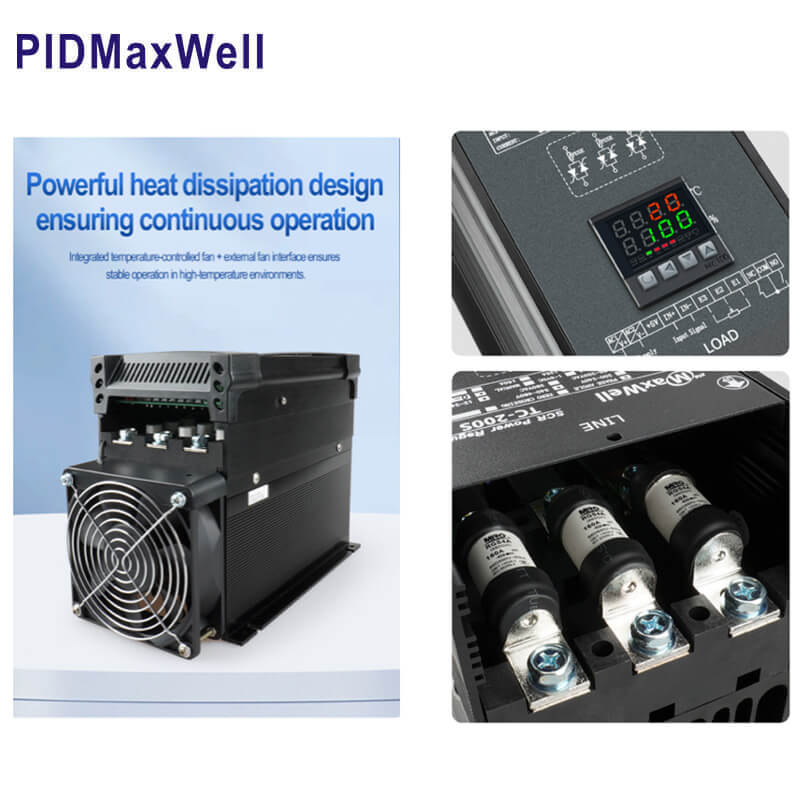
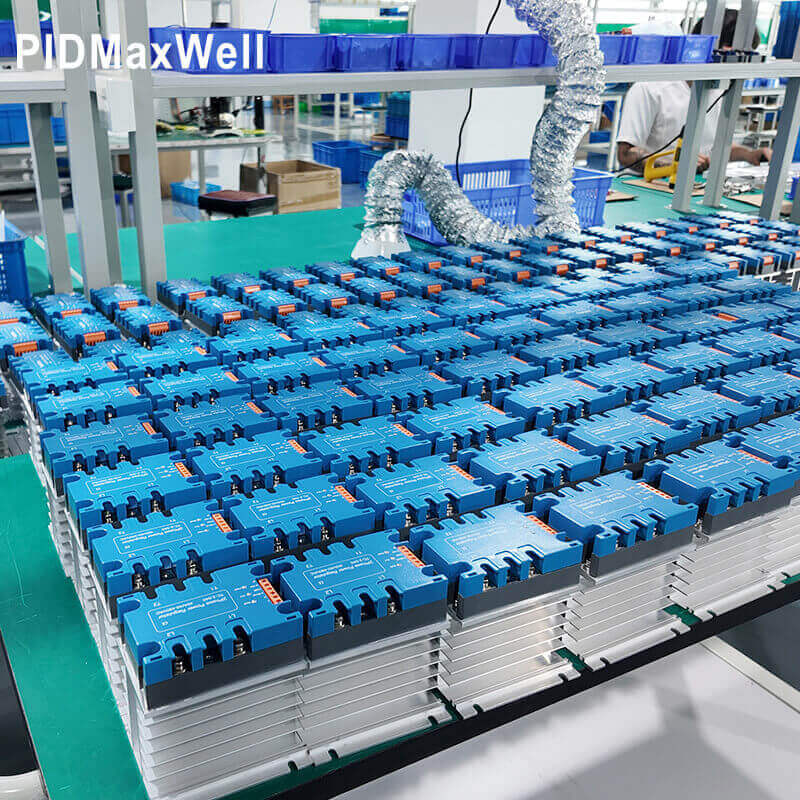
While power regulators may appear to be standardized products, significant differences between manufacturers become apparent when they are deployed in industrial settings. Price is merely one factor; more critical considerations include accurate model selection, sufficient application experience, professional pre-sales consultation, and timely after-sales support. You can assess a manufacturer's professionalism by looking at a few key details. First, observe whether the manufacturer proactively verifies the operating conditions. A professional manufacturer will not simply ask for the required amperage; they will also confirm details such as voltage, load type, control signals, wiring configuration, installation environment, continuous operation duration, and temperature control requirements. If a supplier provides a quote based solely on current without asking these questions, the likelihood of future issues increases. Second, consider their understanding of differ...
Inconsistent output values from three-phase SCR power regulators are not uncommon during on-site commissioning and maintenance. However, whether this phenomenon will impair heating performance depends on the source and severity of the difference. If the discrepancy is merely a deviation in readings from a standard voltmeter, while the three-phase currents are similar, the equipment's heating rate is normal, and temperature control is stable, then this difference is likely related to the SCR's chopper output waveform. Standard instruments are inaccurate for non-sinusoidal voltages, so there's no need to jump to conclusions; simply keep operational records and continue monitoring. Conversely, if the current in one phase is significantly lower than the other two, or even zero, or if the temperature in a specific area of the furnace or drying tunnel fails to reach the set value, then the problem has substantially interfered with the heating process, and the cause must be investi...
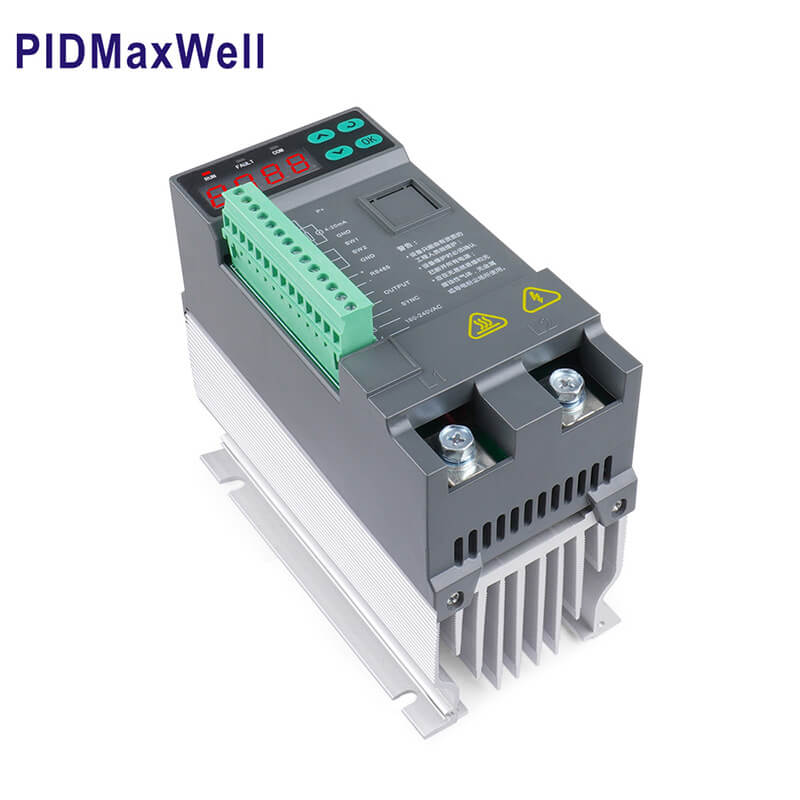
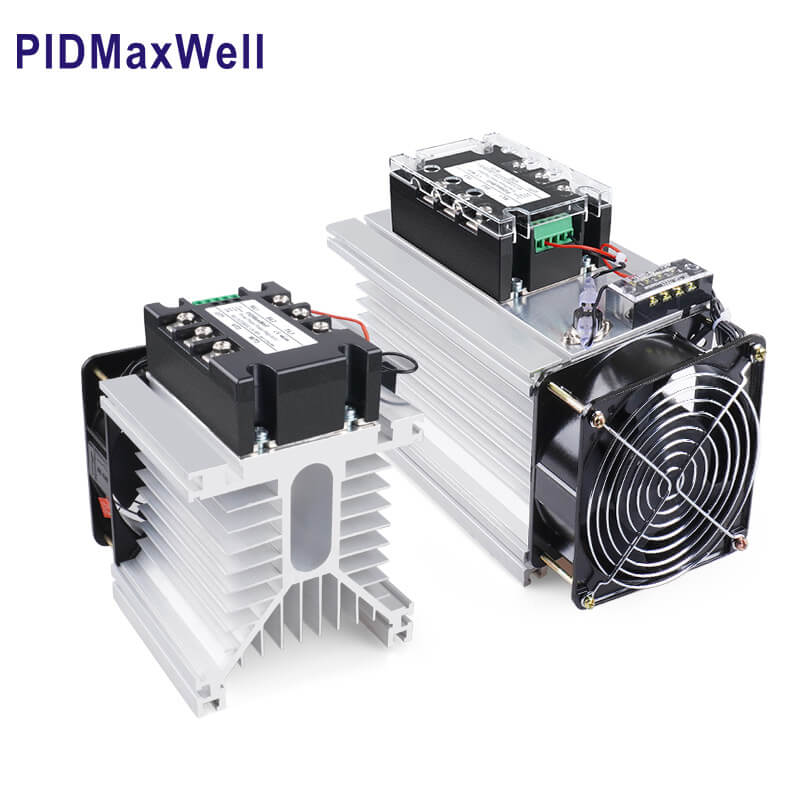
In modern intelligent manufacturing systems, power regulators are gradually becoming core actuators in power management. Whether in precision temperature control systems or high-power drive units, power regulators, with their flexible power adjustment capabilities, bring significant performance leaps to equipment. So, how do power regulators achieve dynamic power output matching in milliseconds? And why are they called the "invisible driving force of industrial energy saving"? This article will systematically dissect the technical architecture and practical value of power regulators from underlying logic to application scenarios. Re-understanding Power Regulators Essentially, a power regulator is a solid-state power regulation device. It does not rely on mechanical contacts but uses semiconductor switching devices to achieve effective control of the voltage and current at the load end. From resistance heating furnaces to AC motor soft starts, power regulators can a...
In industrial equipment production and operation, temperature control is a core factor determining product yield, equipment stability, and energy costs. Currently, many equipment manufacturers still use traditional solid-state relays for temperature control, but the drawbacks of long-term use are becoming increasingly apparent. They can no longer meet the demands of high-precision industrial production and are gradually becoming a bottleneck for improving quality and efficiency in the industry. Traditional solid-state relays rely on simple on/off modes for temperature control, which has fatal flaws. During operation, they can only mechanically open and close circuits, unable to finely adjust power, making them prone to problems such as fluctuating temperatures, over-temperature lag, poor temperature control accuracy, and large fluctuations. Frequent on/off switching not only leads to temperature control data deviations, affecting product processing quality, but also cause...
I. What problems does a power regulator solve? The core function of a power regulator is to continuously regulate the output power of the electric heating equipment. Take an industrial oven as an example: starting from room temperature, it needs to heat up to the set temperature and then maintain a constant temperature. If it heats at full power continuously, the temperature can easily overshoot; if only a regular switch is used for intermittent on/off switching, the temperature will fluctuate, resulting in unsatisfactory temperature control. A power regulator allows the heating power to continuously change according to the actual temperature demand, making the heating and temperature stabilization processes smoother and effectively reducing temperature fluctuations. II. Where does it fit in the temperature control system? In a complete temperature control system, each component has its specific function: The temperature controller detec...