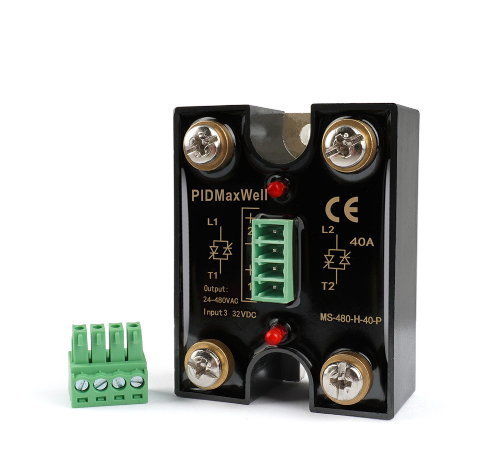
Many people may not be aware that there are limitations to the use of solid-state relays. Compared to mechanical solid-state relays, the limitations of solid-state relays are fewer, specifically as follows: Because solid-state relays are based on semiconductors, they cannot be fully turned on or off. This means that in the "on" state, when current flows, the solid-state relay still has internal resistance, causing it to heat up. In the "off" state, the solid-state relay still has a small leakage current, typically a few milliamps. This leakage current can be used to prevent certain loads from turning off, especially with high impedance. Furthermore, solid-state relays are very sensitive to voltage transients. Although Opto22 relays have excellent transient protection, they can still be damaged or have their performance degraded if subjected to a sufficient number of shocks. This makes solid-state relays less than ideal for driving large inductive electromechanical loads, such as some s...
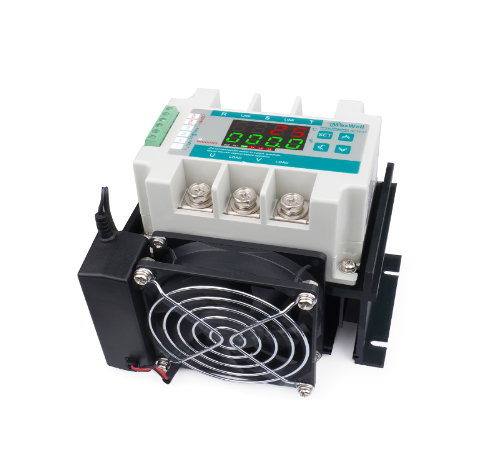
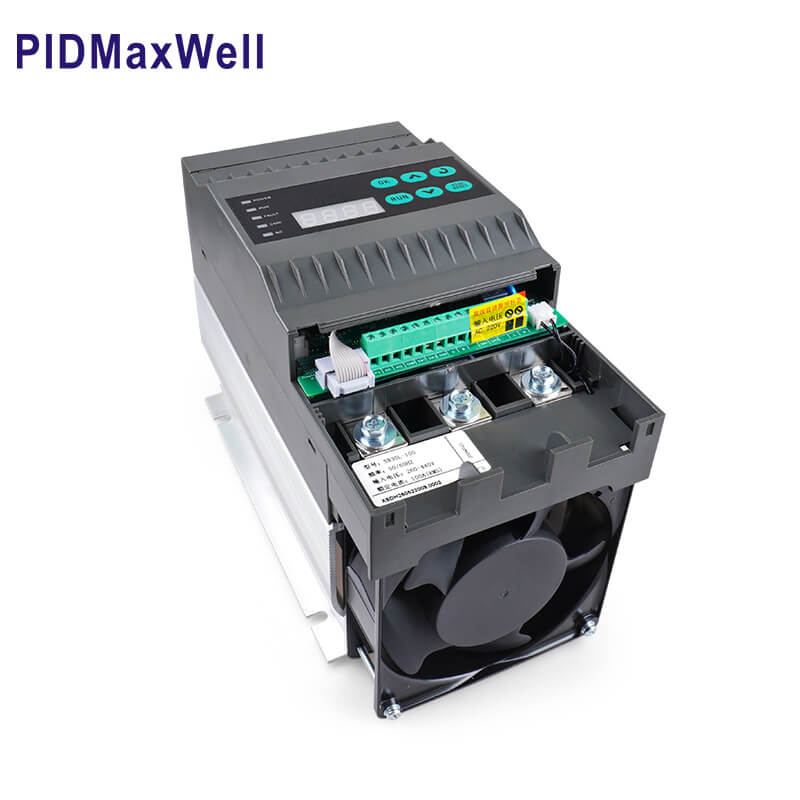
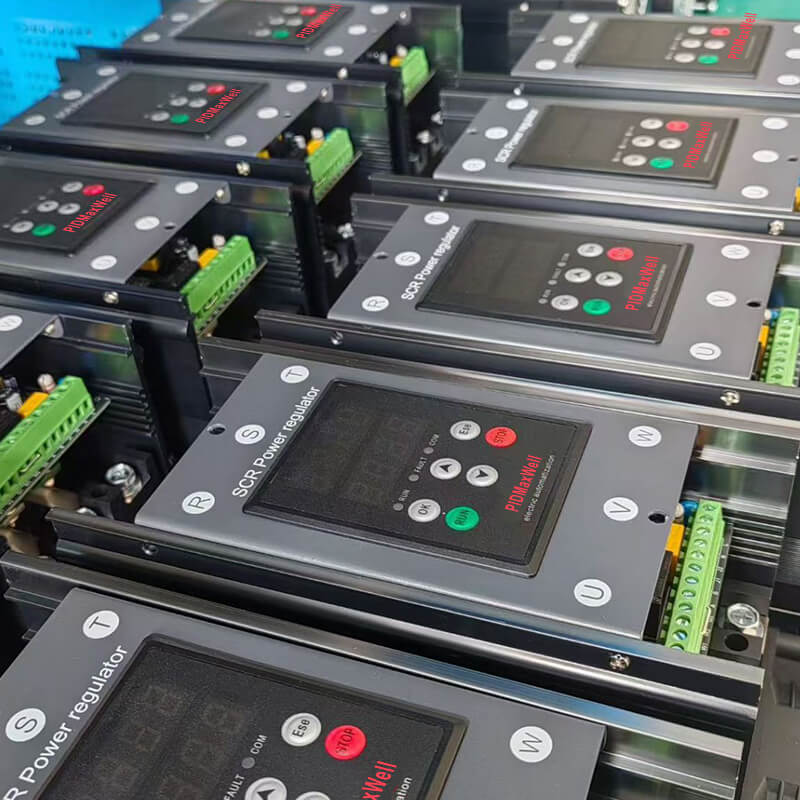
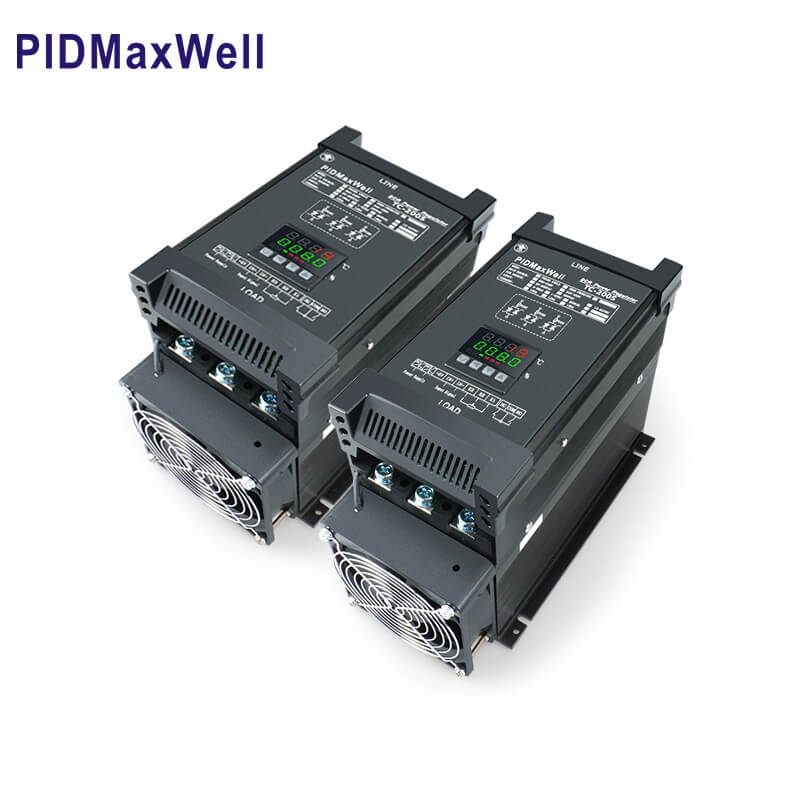
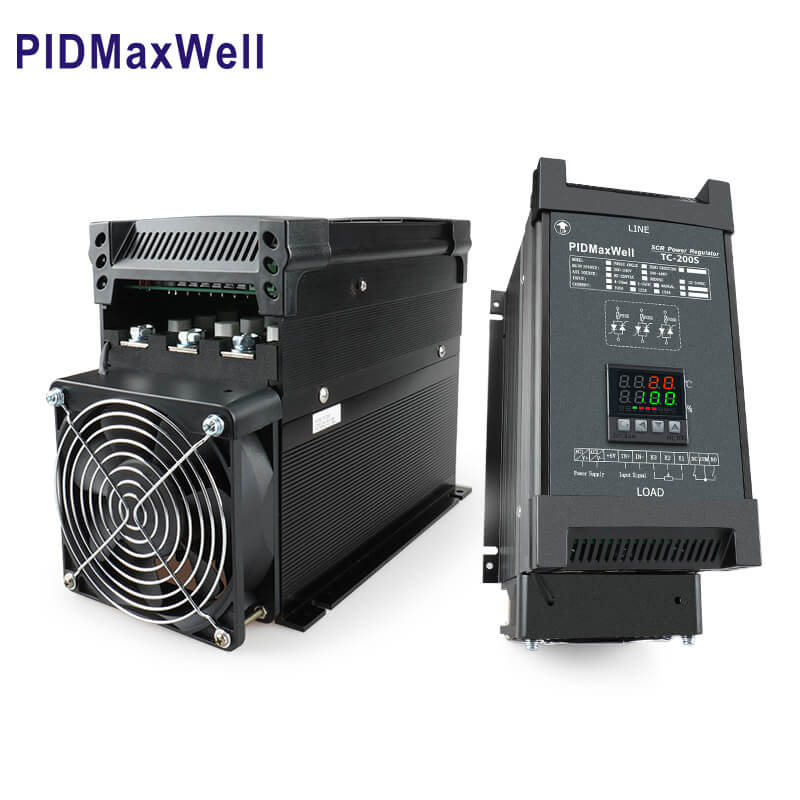
What are the applications of power regulators? Today, Xiamen Maxwell Automation Limited.—a manufacturer of SCR Power Regulator—discusses the wide range of applications and industries where power regulators are used: Power regulators are widely used in the following areas: 1. Electric furnace industry: Annealing furnaces, drying ovens, quenching furnaces, sintering furnaces, crucible furnaces, tunnel kilns, and melting furnaces. 2. Machinery and equipment: Packaging machinery, injection molding machines, heat-shrinking equipment, extrusion machinery, food processing machinery, tempering equipment, plastic processing, and infrared heating. 3. Glass industry: Fiberglass production, glass forming, glass melting, glass printing, float glass production lines, and annealing lehrs. 4. Automotive industry: Paint drying and thermoforming. 5. Energy-efficient lighting: Tunnel lighting, street lighting, photography lighting, and stage lighting. 6. Chemical industry: Distillation and ev...
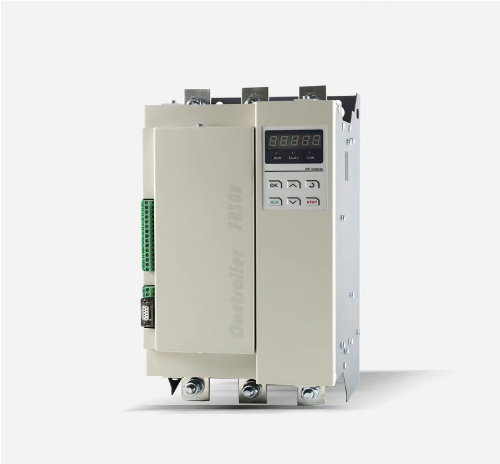
SCR Control for Molybdenum Disilicide (MoSi2) Heating Elements Molybdenum disilicide (MoSi2) heating elements, such as Kanthal Super, are widely used in high-temperature industrial furnaces operating up to 1800°C. However, controlling the power delivered to these elements requires specific types of Silicon Controlled Rectifier (SCR) or thyristor power controllers due to the unique electrical characteristics of MoSi2. The Challenge: MoSi2 Resistance Characteristics The primary challenge in controlling MoSi2 heating elements is their extreme Positive Temperature Coefficient (PTC) of resistance. Unlike standard resistance wires (like Nichrome) which maintain a relatively constant resistance, MoSi2 has an extremely low resistance when cold—acting almost like a short circuit. As the element heats up, its resistance increases dramatically, often by a factor of 10 to 16 times its cold resistance If full voltage is applied to a cold MoSi2 element, it will draw a mas...