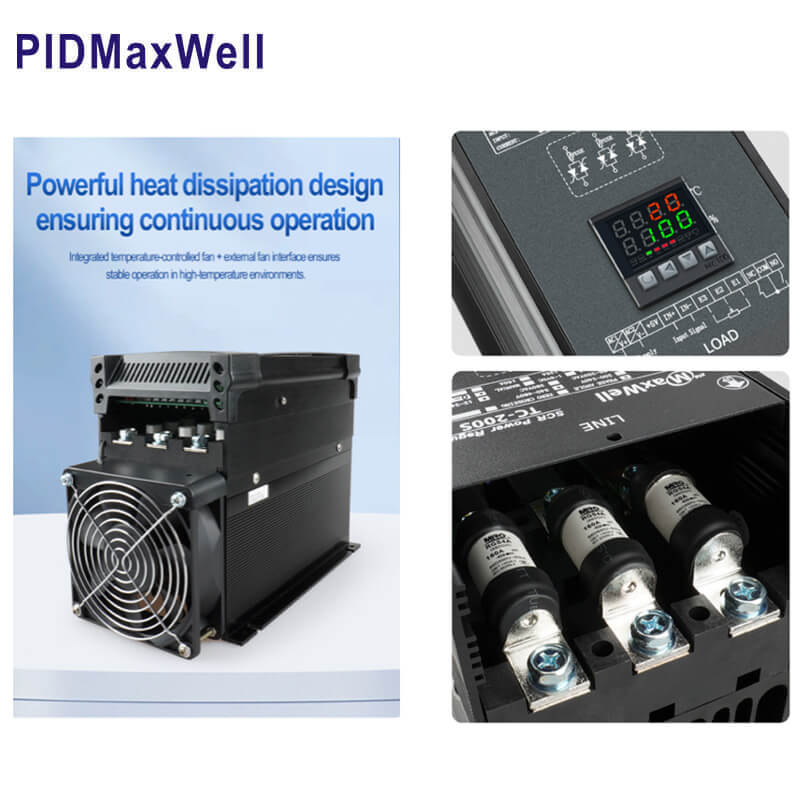
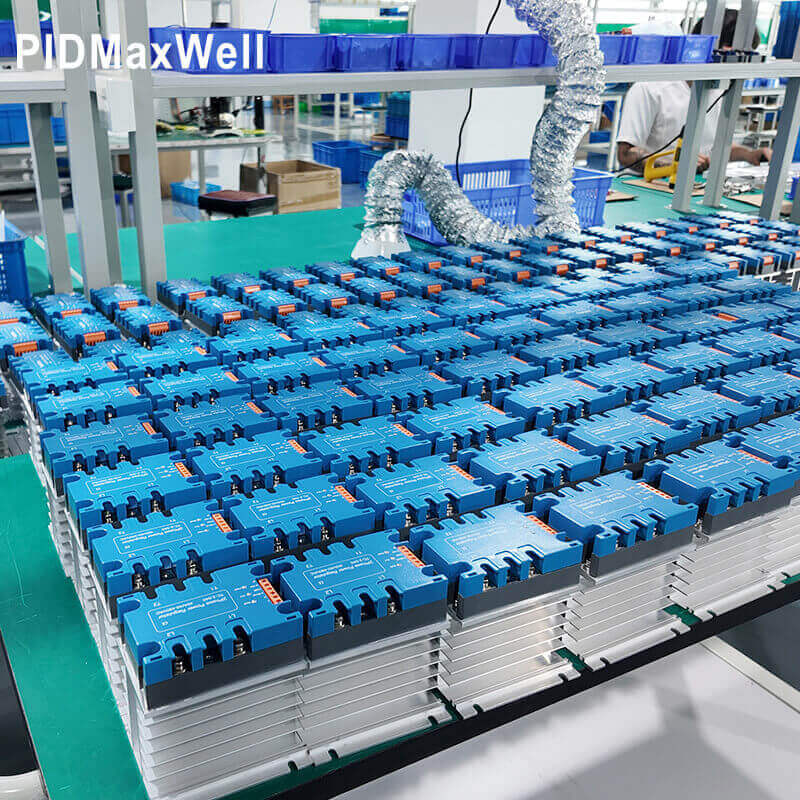
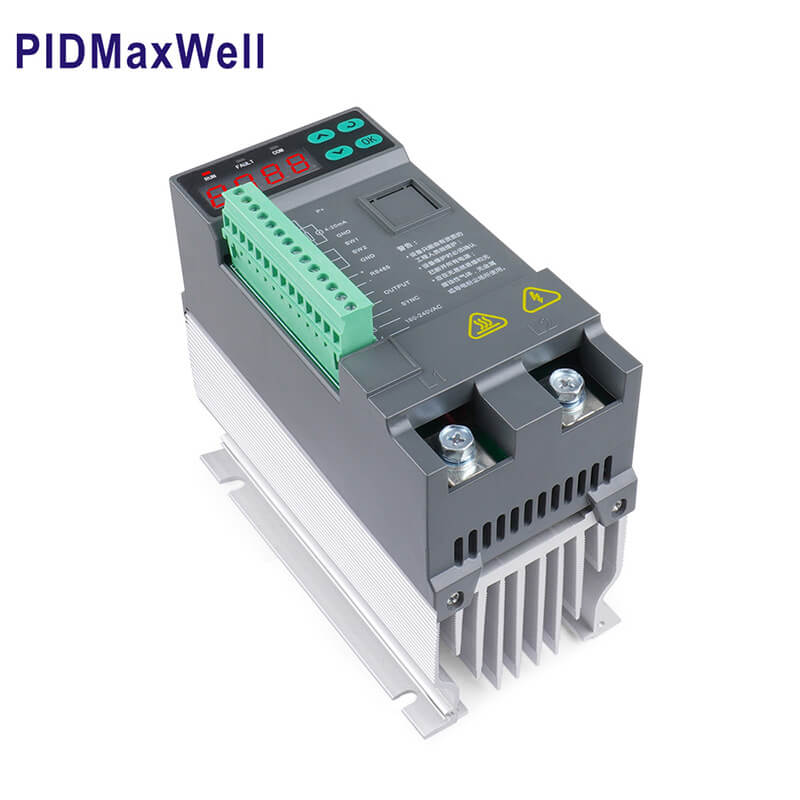
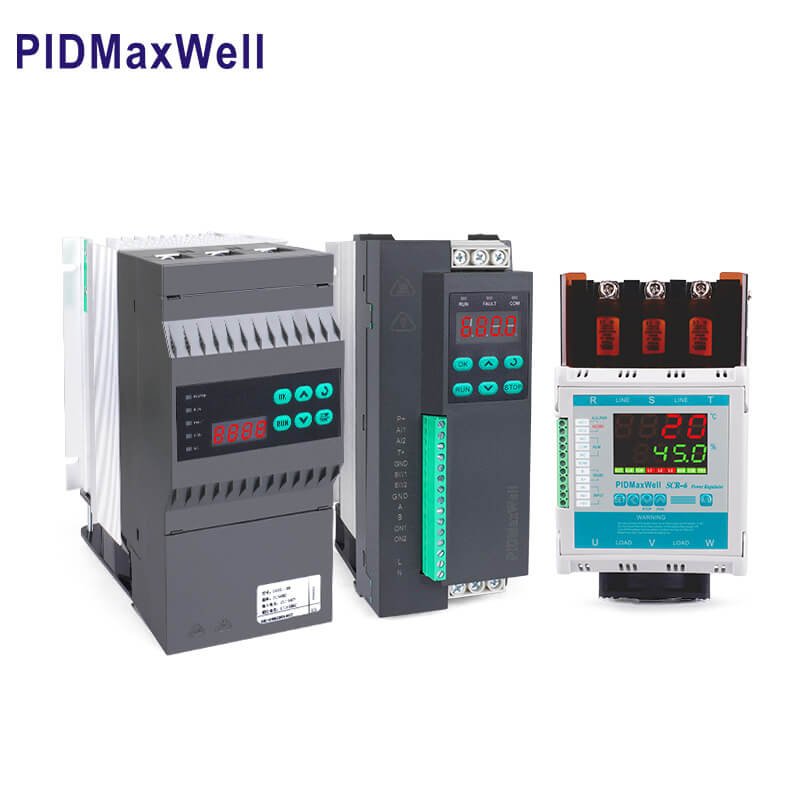
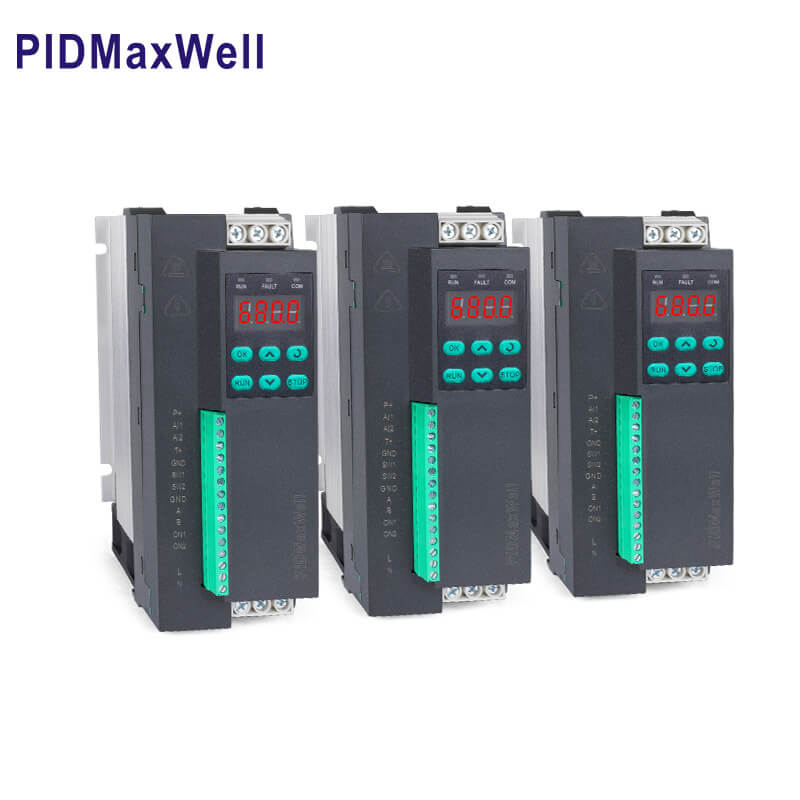
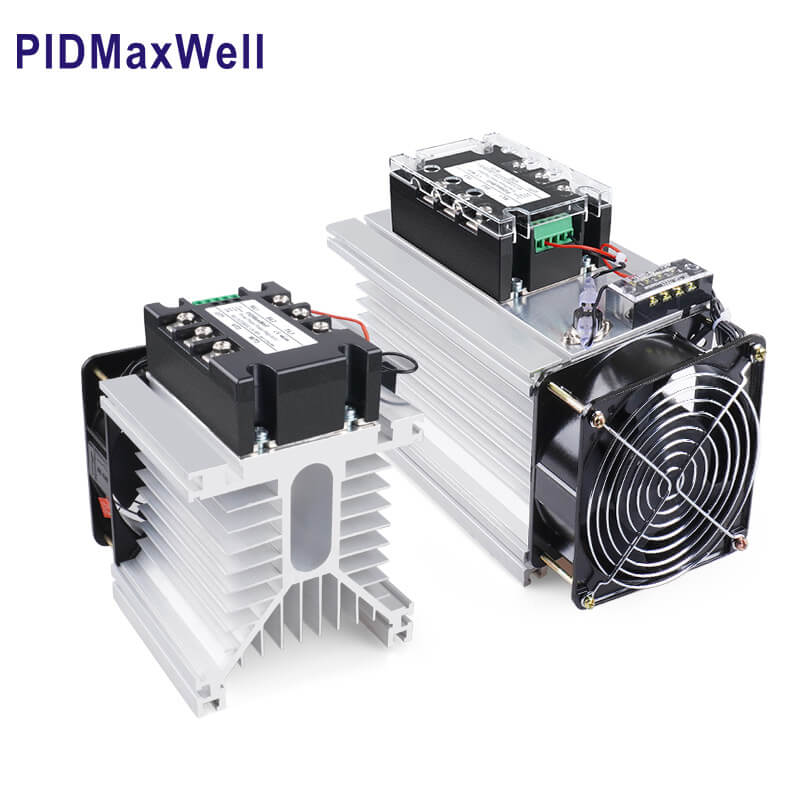
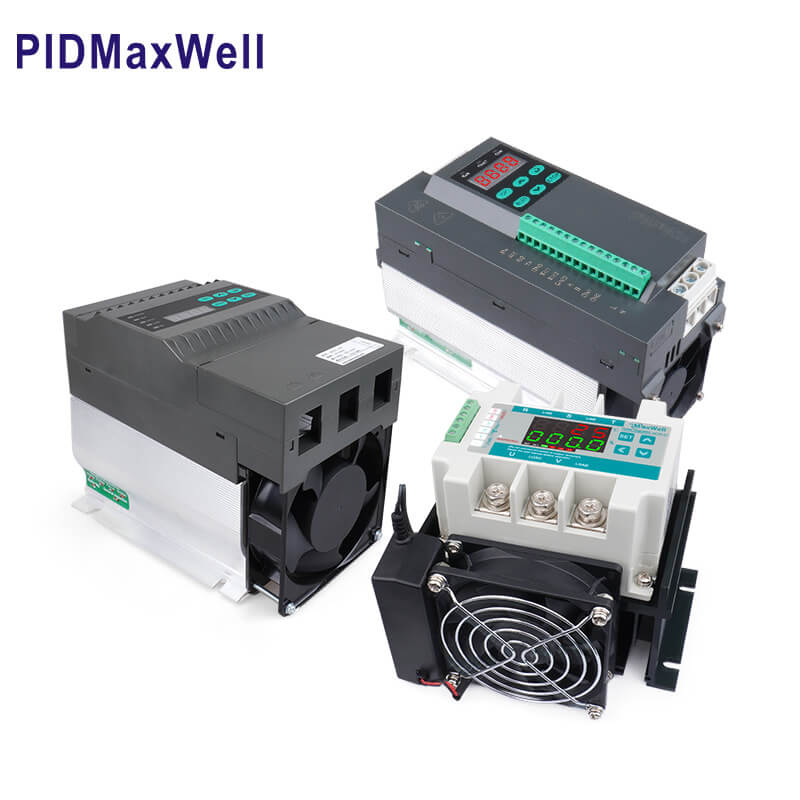
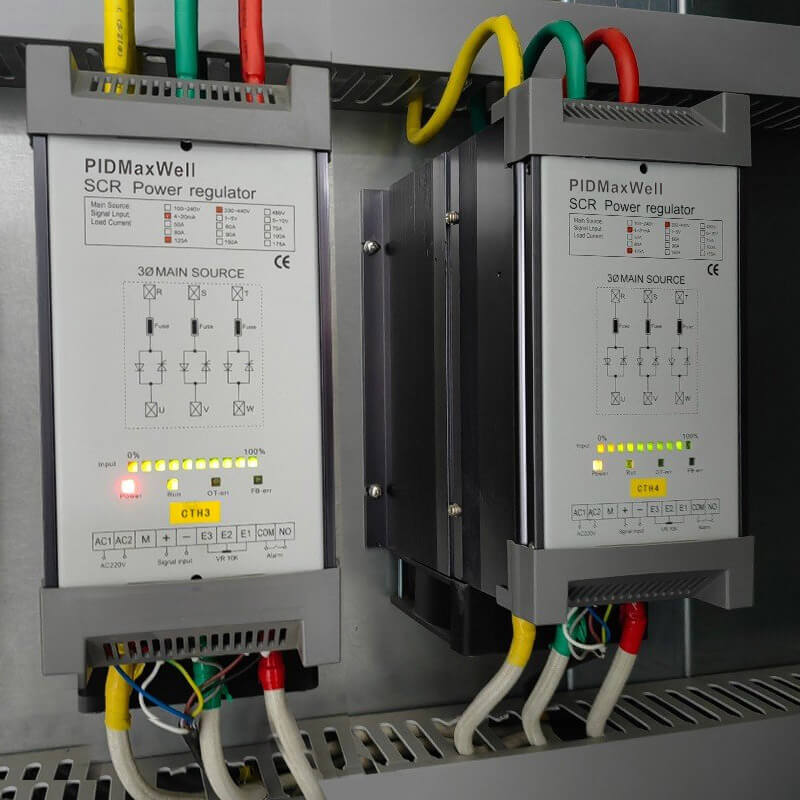
In modern intelligent manufacturing systems, power regulators are gradually becoming core actuators in power management. Whether in precision temperature control systems or high-power drive units, power regulators, with their flexible power adjustment capabilities, bring significant performance leaps to equipment. So, how do power regulators achieve dynamic power output matching in milliseconds? And why are they called the "invisible driving force of industrial energy saving"? This article will systematically dissect the technical architecture and practical value of power regulators from underlying logic to application scenarios. Re-understanding Power Regulators Essentially, a power regulator is a solid-state power regulation device. It does not rely on mechanical contacts but uses semiconductor switching devices to achieve effective control of the voltage and current at the load end. From resistance heating furnaces to AC motor soft starts, power regulators can a...
In industrial equipment production and operation, temperature control is a core factor determining product yield, equipment stability, and energy costs. Currently, many equipment manufacturers still use traditional solid-state relays for temperature control, but the drawbacks of long-term use are becoming increasingly apparent. They can no longer meet the demands of high-precision industrial production and are gradually becoming a bottleneck for improving quality and efficiency in the industry. Traditional solid-state relays rely on simple on/off modes for temperature control, which has fatal flaws. During operation, they can only mechanically open and close circuits, unable to finely adjust power, making them prone to problems such as fluctuating temperatures, over-temperature lag, poor temperature control accuracy, and large fluctuations. Frequent on/off switching not only leads to temperature control data deviations, affecting product processing quality, but also cause...
I. What problems does a power regulator solve? The core function of a power regulator is to continuously regulate the output power of the electric heating equipment. Take an industrial oven as an example: starting from room temperature, it needs to heat up to the set temperature and then maintain a constant temperature. If it heats at full power continuously, the temperature can easily overshoot; if only a regular switch is used for intermittent on/off switching, the temperature will fluctuate, resulting in unsatisfactory temperature control. A power regulator allows the heating power to continuously change according to the actual temperature demand, making the heating and temperature stabilization processes smoother and effectively reducing temperature fluctuations. II. Where does it fit in the temperature control system? In a complete temperature control system, each component has its specific function: The temperature controller detec...
A power regulator (also known as a power controller) is a critical actuating unit in industrial electric heating control systems; its core function is to regulate output power. However, many users overlook a key point: power regulators offer more than one method of power regulation. Different heating loads possess distinct electrical characteristics and process requirements, so the choice of control method cannot be generalized. Common power regulation methods on the market fall into four main categories: phase-angle control (phase-shift control), zero-crossing control (zero-point/cycle control), voltage regulation, and power regulation. Understanding these basic principles helps avoid pitfalls during equipment selection. Why does the power regulation method affect equipment selection? While the function of a power regulator is to precisely control output power, different loads have vastly different requirements regarding the output method. Standard electric heating elements and...
In the field of industrial electric heating, many people habitually refer to power controllers simply as "power regulators," assuming their sole function is to adjust power levels. While not incorrect, this view is far from complete. The role a power controller plays in an industrial heating system extends well beyond mere power regulation. I. Power regulation is the foundation, but not the whole story. Regulating power is indeed the most fundamental function of a power controller. By controlling the conduction of thyristors (SCRs), it alters the average power delivered to the heating load. High power output leads to rapid heating, while low output results in slower heating—this is the starting point of a power controller's involvement in industrial heating control. However, dismissing a power controller as merely a "power regulator" is like calling a car nothing more than a "means of transport"; it overlooks the capabilities that truly make it valuable. II. ...