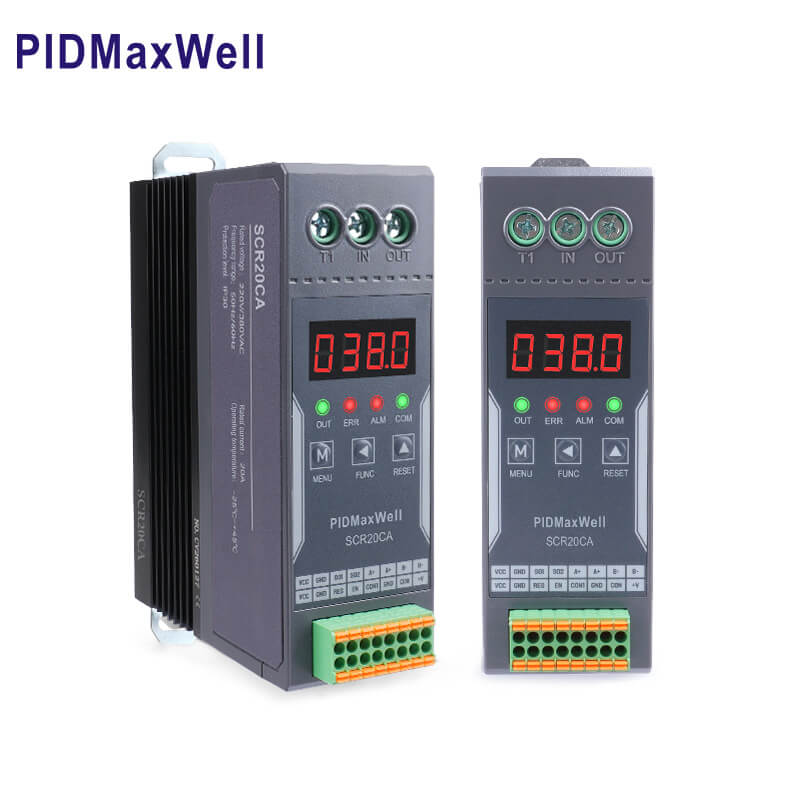
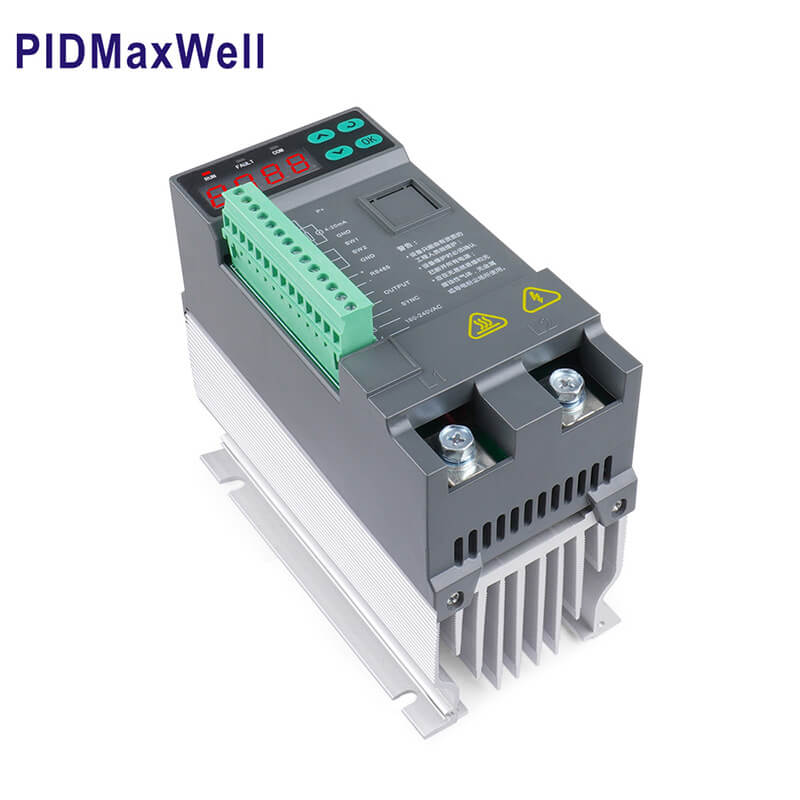
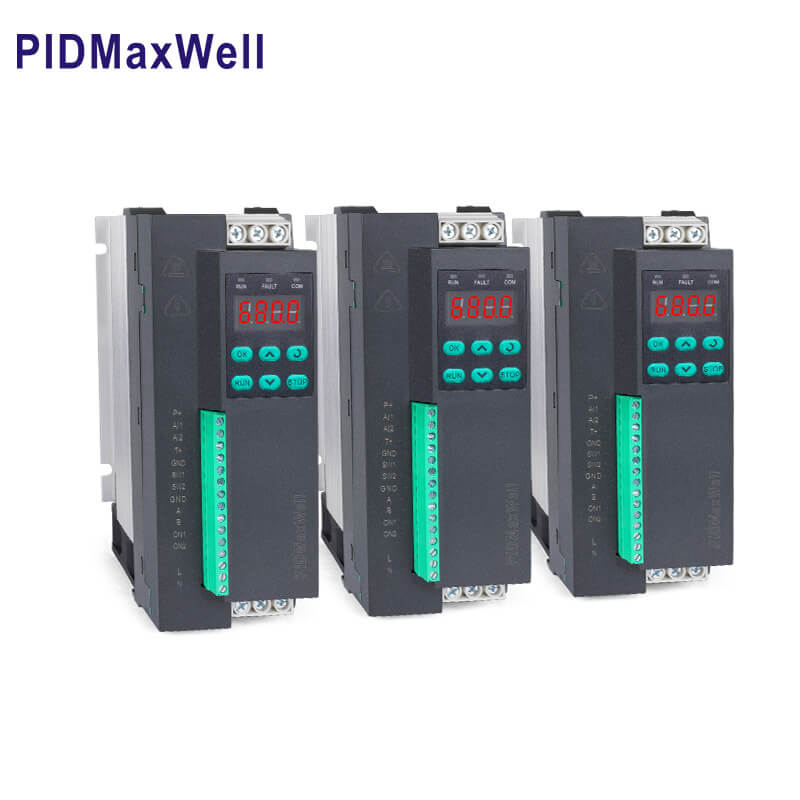
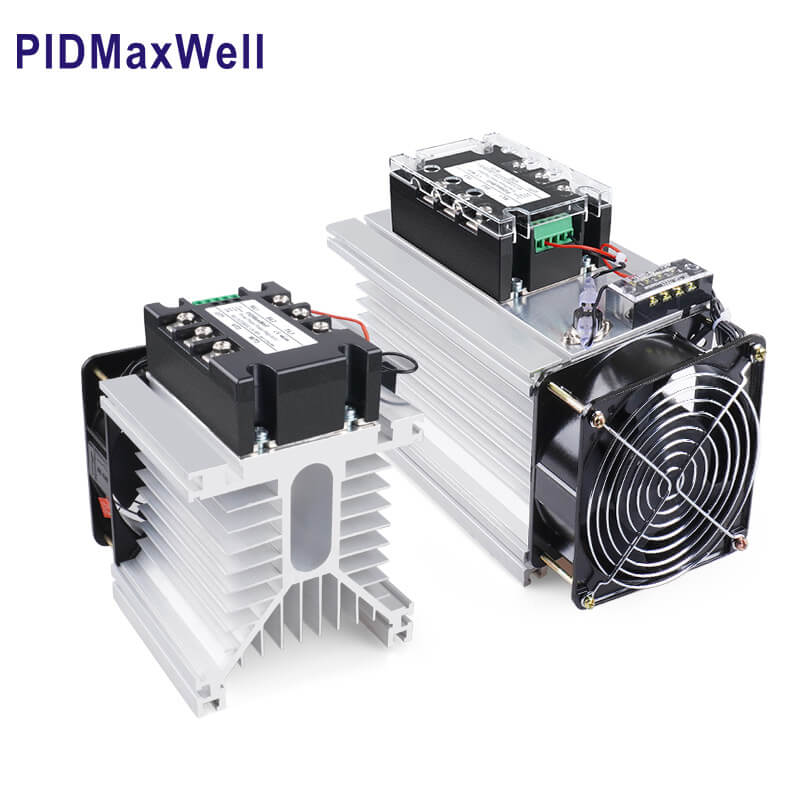
In the field of industrial electric heating, the power regulator is the core component for achieving precise temperature control. Many people have an intuitive understanding of its "temperature stabilization" effect, but may not fully understand its internal functions and operating logic. In short, the power regulator undertakes the crucial task of translating the commands issued by the temperature control system into the actual power required by the heating load. I. Functional Positioning of the Power Regulator The fundamental function of the power regulator is to steplessly regulate the output power of the heating load (such as heating elements, resistance wires, infrared lamps, etc.). During electric heating, power directly determines the heating rate. The power regulator can dynamically adjust the output power based on the analog signals transmitted by the temperature controller or programmable logic controller (PLC). This allows the equipment to obtain the mos...
I. What problems does a power regulator solve? The core function of a power regulator is to continuously regulate the output power of the electric heating equipment. Take an industrial oven as an example: starting from room temperature, it needs to heat up to the set temperature and then maintain a constant temperature. If it heats at full power continuously, the temperature can easily overshoot; if only a regular switch is used for intermittent on/off switching, the temperature will fluctuate, resulting in unsatisfactory temperature control. A power regulator allows the heating power to continuously change according to the actual temperature demand, making the heating and temperature stabilization processes smoother and effectively reducing temperature fluctuations. II. Where does it fit in the temperature control system? In a complete temperature control system, each component has its specific function: The temperature controller detec...
In the field of industrial electric heating, many people habitually refer to power controllers simply as "power regulators," assuming their sole function is to adjust power levels. While not incorrect, this view is far from complete. The role a power controller plays in an industrial heating system extends well beyond mere power regulation. I. Power regulation is the foundation, but not the whole story. Regulating power is indeed the most fundamental function of a power controller. By controlling the conduction of thyristors (SCRs), it alters the average power delivered to the heating load. High power output leads to rapid heating, while low output results in slower heating—this is the starting point of a power controller's involvement in industrial heating control. However, dismissing a power controller as merely a "power regulator" is like calling a car nothing more than a "means of transport"; it overlooks the capabilities that truly make it valuable. II. ...
Today, we are going to discuss SCR Power Regulators in HVAC Systems, the integration, Loads, and Control Signals and how SCR fit into the HVAC system and why it makes a difference copmare with old conventional ON/OFF devices.The integration of Silicon Controlled Rectifier (SCR) power regulators into Heating, Ventilation, and Air Conditioning (HVAC) systems represents a significant advancement in energy efficiency and precise environmental control. As building automation becomes more sophisticated, system integrators are increasingly replacing traditional staged heating controls with SCR technology. The Role of SCR Power Regulators in HVAC SystemsIn modern HVAC systems, electric heating is no longer treated as a simple on/off function. SCR power controllers are primarily utilized to provide true proportional heating control by regulating the power delivered to electric heating elements. Unlike traditional magnetic contactors that switch fixed heating stages on and off, SCR co...
The core heating element of an industrial oven is typically an electric heating element. Once heat is generated, a circulating fan distributes the hot air throughout the oven. The long-term stable operation of an oven depends not only on its insulation structure, airflow design, fan performance, and temperature control instruments, but also closely on the method of adjusting the heating power. The core value of the PIDMaxWell power regulator in the oven heating process lies in its ability to flexibly adjust the output power of the heating element based on real-time temperature control requirements, resulting in a smoother and more controllable heating curve and temperature maintenance process. I. Why can't the heating power of an oven remain constant? In actual operation, the heat demand of an oven varies greatly at different times: During the initial cold start, the oven body, air ducts, and workpieces are all at room temperature, requiring a higher ...
Many customers, when first encountering electric heating control, intuitively think: heating is simply about turning on the power when the temperature is low and turning it off when the temperature is high. This "on-off" approach might work for small household appliances, but once you switch to industrial ovens, electric furnaces, thermoforming equipment, or heat treatment production lines, you'll quickly find that the temperature fluctuates wildly, like a rollercoaster, and product quality becomes inconsistent. In reality, truly worry-free and stable heating control is never simply about "on-off." It's more like a "precise calculation" of heat: providing more when needed, less when needed, and maintaining a stable level when necessary. The core component that helps you achieve this "precise calculation" is the power regulator. Imagine boiling water on a gas stove—if you can only turn the flame on full blast or turn it off completely, the water will either bo...
Power regulators (also known as power control units) are key actuators in industrial electric heating control, their core function being to regulate output power. However, many users easily overlook the fact that power regulators offer more than one power regulation method. Different heating loads have varying electrical characteristics and diverse process requirements, necessitating different control methods. Common power regulation methods on the market mainly fall into four categories: phase control (phase shift control), zero-crossing control (zero-position control/cycle control), voltage regulation control, and power regulation control. Understanding these basic principles will help avoid pitfalls in power selection. Why does the power regulation method affect power selection? The role of a power regulator is to precisely control output power, but different loads have drastically different requirements for the output method. Ordinary heating elements and resistance wires ha...