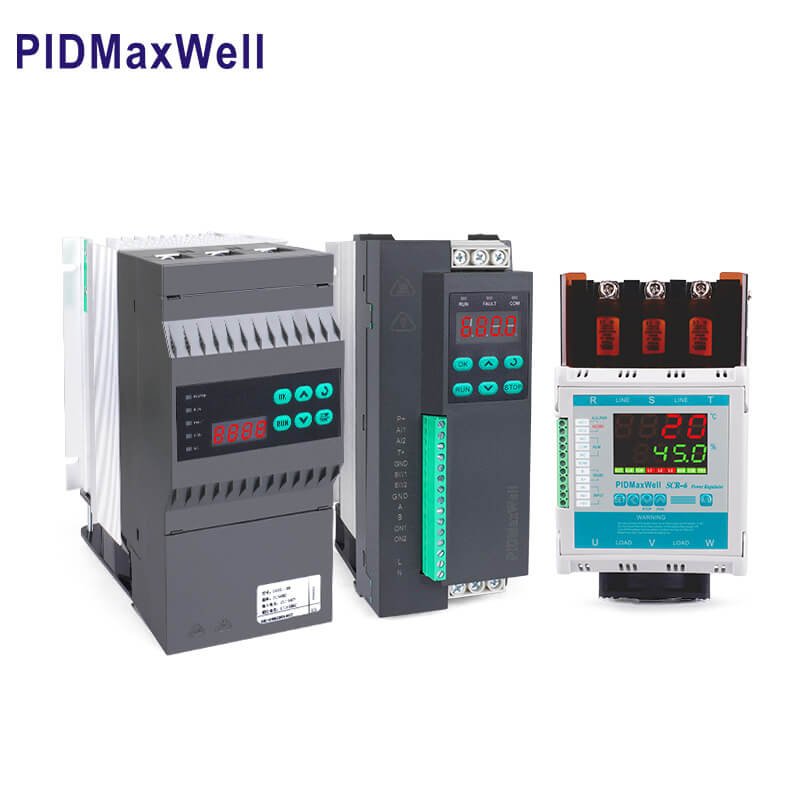
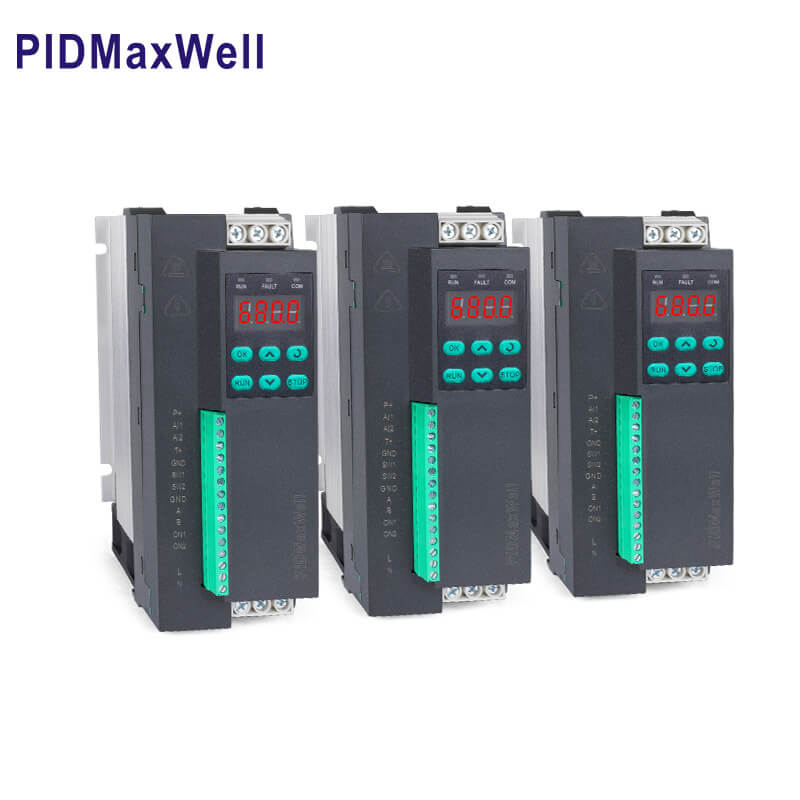
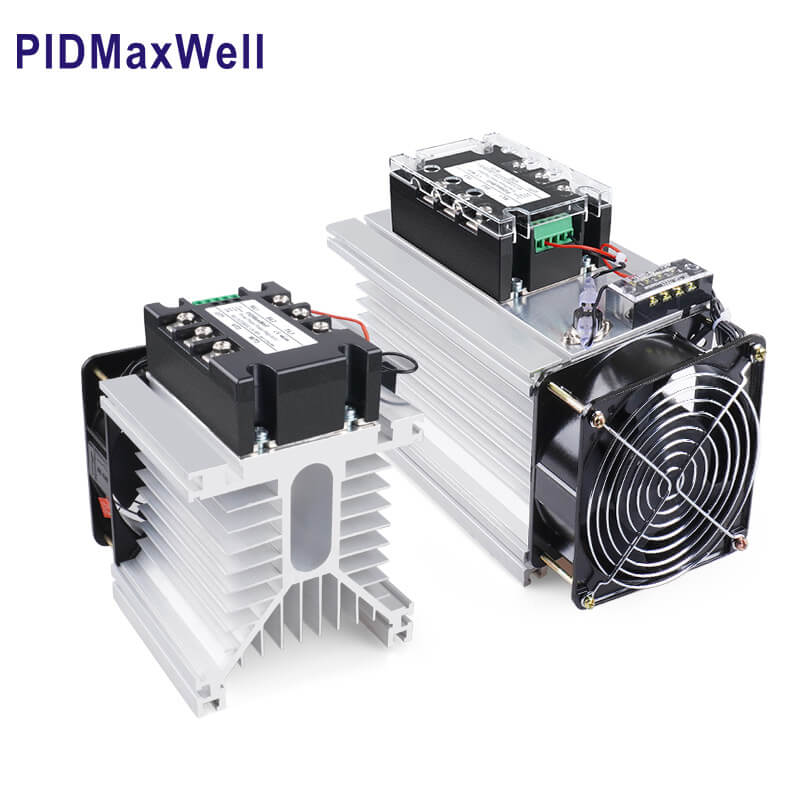
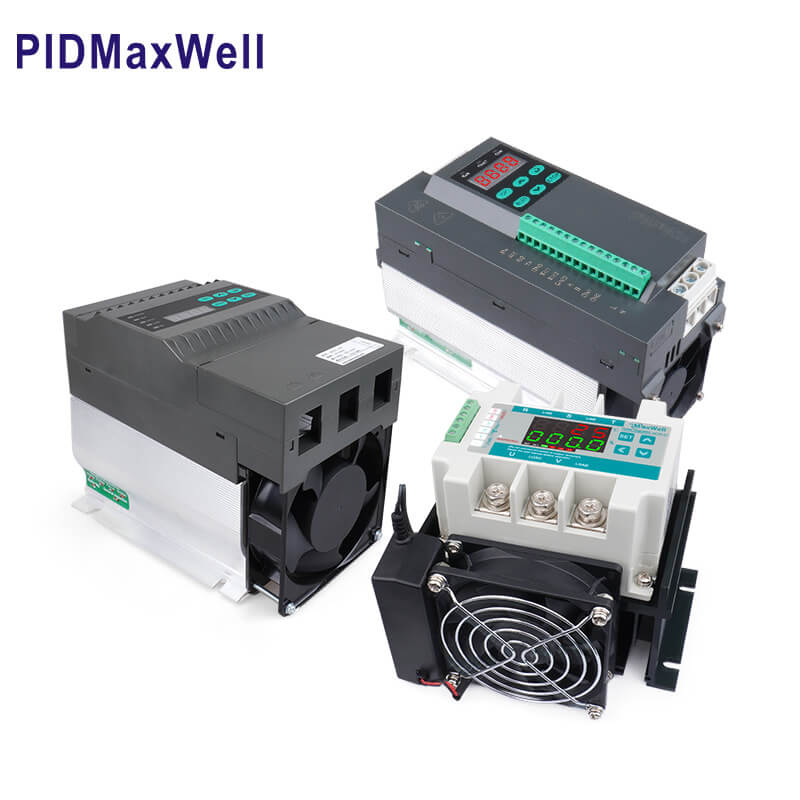
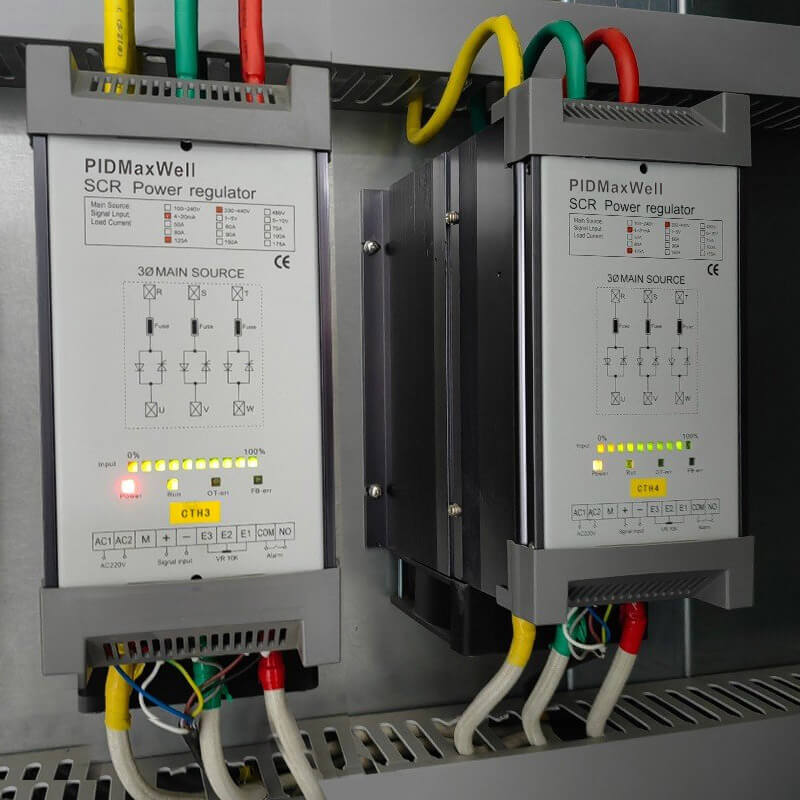
A power regulator (also known as a power controller) is a critical actuating unit in industrial electric heating control systems; its core function is to regulate output power. However, many users overlook a key point: power regulators offer more than one method of power regulation. Different heating loads possess distinct electrical characteristics and process requirements, so the choice of control method cannot be generalized. Common power regulation methods on the market fall into four main categories: phase-angle control (phase-shift control), zero-crossing control (zero-point/cycle control), voltage regulation, and power regulation. Understanding these basic principles helps avoid pitfalls during equipment selection. Why does the power regulation method affect equipment selection? While the function of a power regulator is to precisely control output power, different loads have vastly different requirements regarding the output method. Standard electric heating elements and...
In the field of industrial electric heating, many people habitually refer to power controllers simply as "power regulators," assuming their sole function is to adjust power levels. While not incorrect, this view is far from complete. The role a power controller plays in an industrial heating system extends well beyond mere power regulation. I. Power regulation is the foundation, but not the whole story. Regulating power is indeed the most fundamental function of a power controller. By controlling the conduction of thyristors (SCRs), it alters the average power delivered to the heating load. High power output leads to rapid heating, while low output results in slower heating—this is the starting point of a power controller's involvement in industrial heating control. However, dismissing a power controller as merely a "power regulator" is like calling a car nothing more than a "means of transport"; it overlooks the capabilities that truly make it valuable. II. ...