-
Tel : +86-592-6382791
-
Email : sales@pidmaxwell.com
Tel : +86-592-6382791
Email : sales@pidmaxwell.com


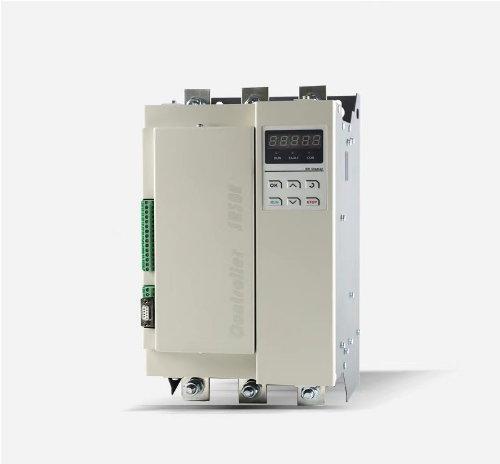
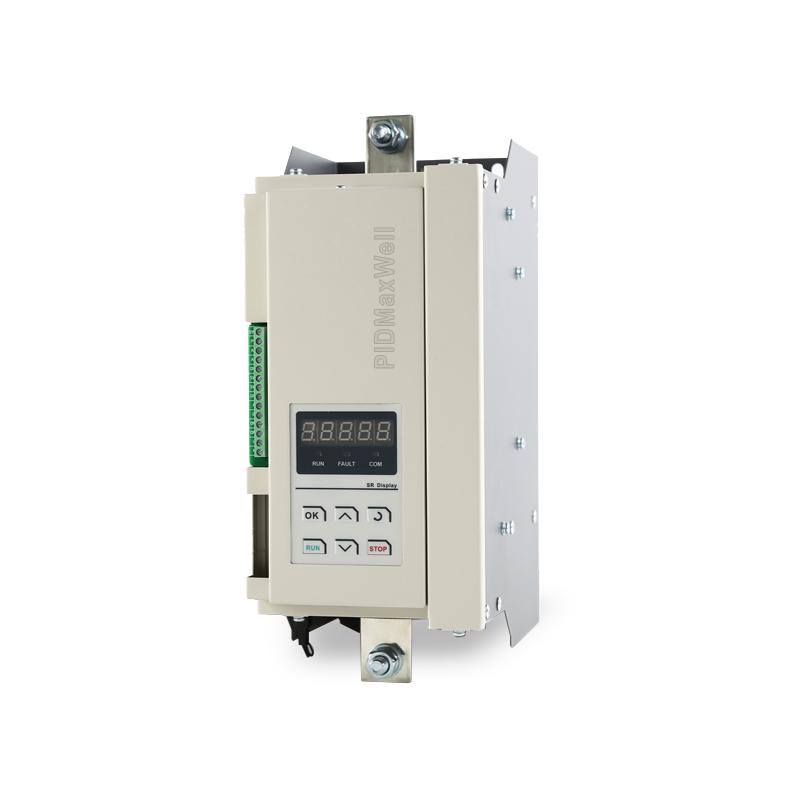
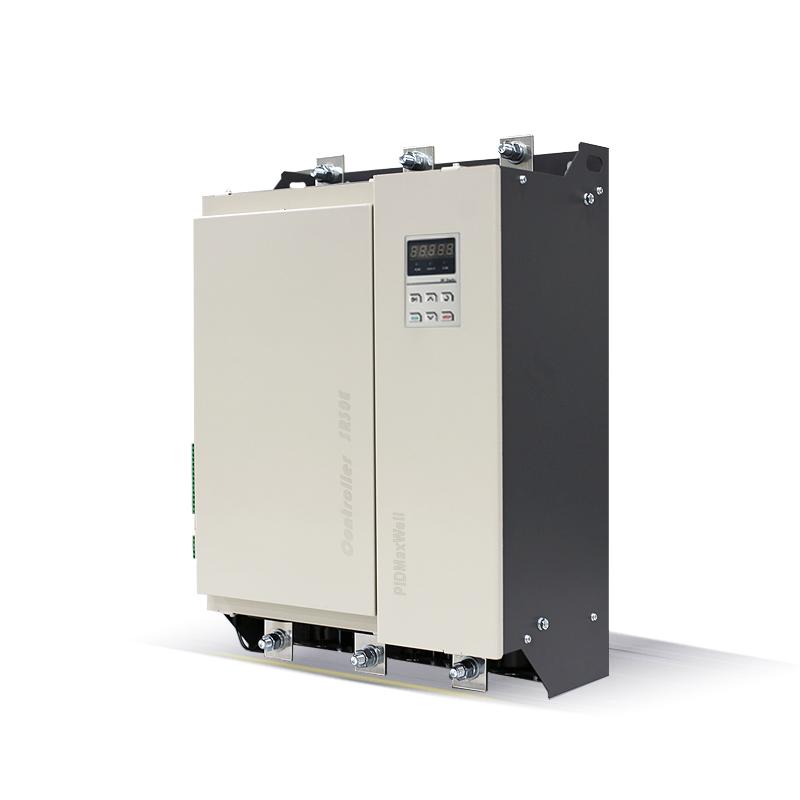
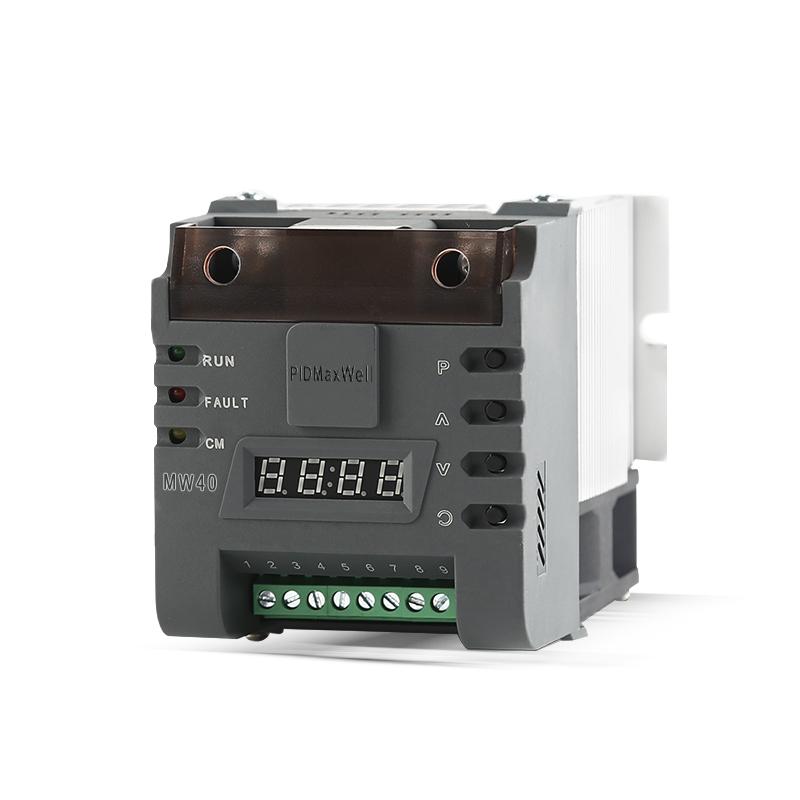
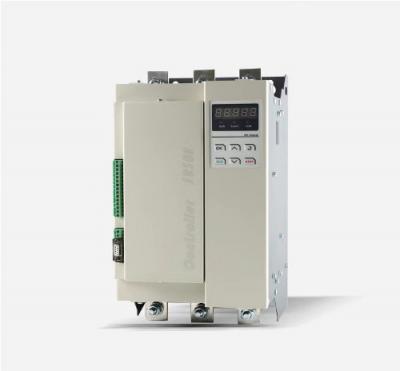
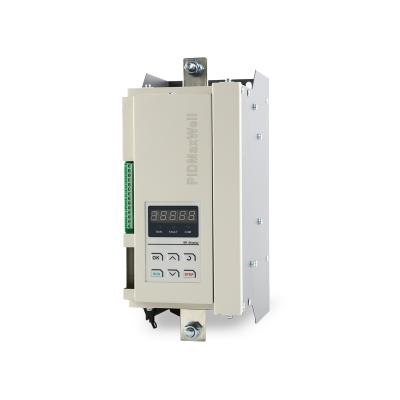
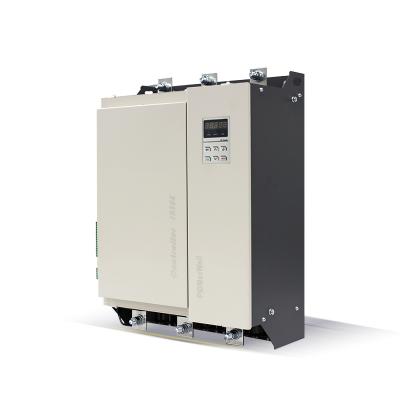
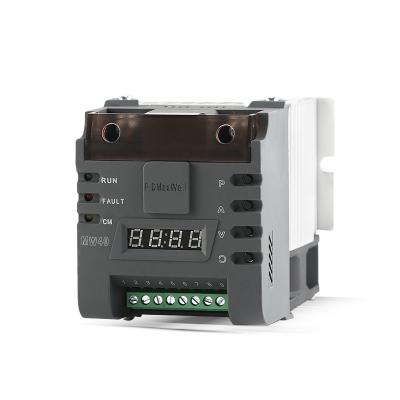
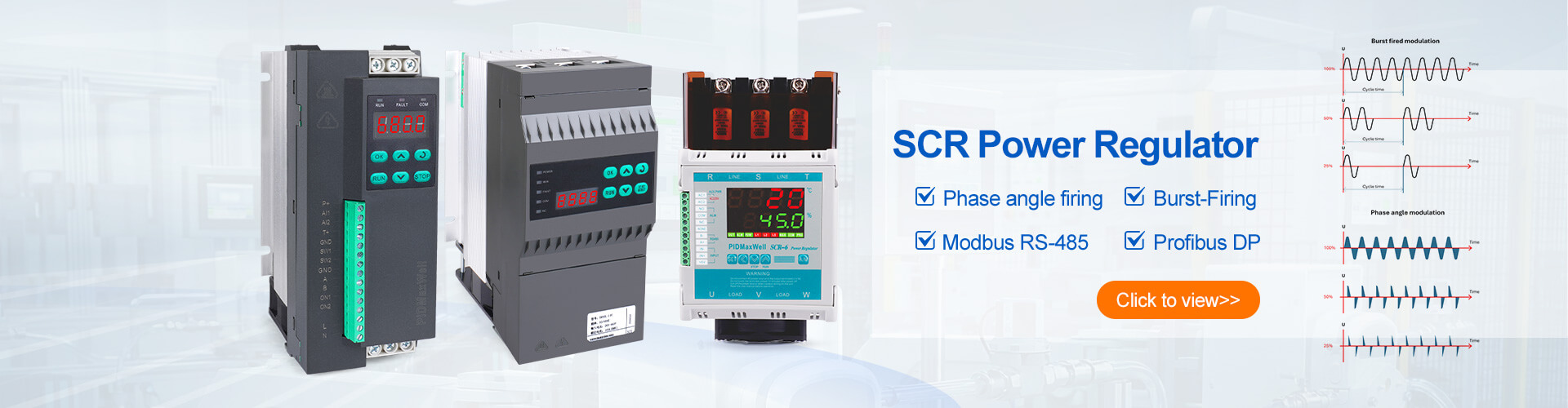
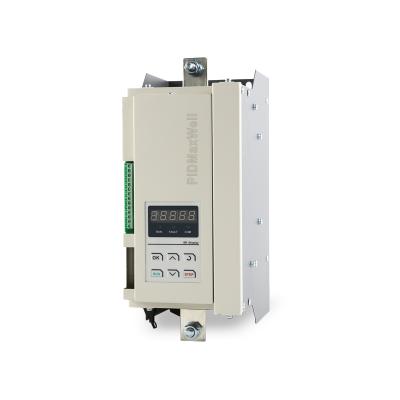
The MW30E series is an advanced, three-phase power regulator (current range: 25–1500A), Suitable for both resistive and inductive loads
1. Rating from 25A all the way up to 1500A
2. 0-5V/0-10V/0-20mA/4-20mA analog input, 3 digital inputs, 1 digital output, Modbus-RTU
3. Phase angle firing control mode or burst-firing mode configurable
4. Work with load on Star, Delta or Star with netural wire
5. Modbus RS-485 available as default, other communication like profibus DP, Ethernet can be custom made
6. Different control mode, Constant Voltage (V) / Constant Current (I) / Constant Power (P)/Open-loop
7.100% load can be applied to the SCR according to the rating, for example, 100 amps rating SCR, you can apply 100 amps to phase current. there is no need to take the derating into consideration
Brand:
PIDMaxWellItem no.:
MW30EPayment:
T.T, Credit Card, Paypal etc, to be negotiateProduct origin:
Made In ChinaColor:
GreyGoods stock:
10Min order:
1Lead Time:
One week after paymentMW30E Three Phase SCR Power Regulator
Key Features
•Advanced Digital Control: Fully digital structure with a highly stable microprocessor and advanced SMT soldering process, ensuring reliable and precise control of resistive and inductive heating loads.
•Versatile Control Modes: Supports multiple control methods including constant output voltage, constant output current, constant output power, open-loop control, phase-shift control, and zero-crossing power control to suit various application requirements.
•Universal Analog Input Compatibility: Flexible analog input interfaces supporting 0–5V, 0–10V, 4–20mA, and -20mA signals, allowing seamless integration with most PLCs and temperature controllers.
•Comprehensive Protection Functions: Built-in safeguards against phase loss, overcurrent, thyristor overheating (alarms and stops at >85°C), and load disconnection, ensuring maximum safety for both the regulator and connected equipment.
•Robust Industrial Design: Professional heat dissipation design suitable for harsh industrial environments, with strong anti-interference immunity.
•Communication Ready: Standard RS-485 communication interface utilizing the Modbus-RTU protocol for remote monitoring, parameter adjustment, and integration into SCADA or DCS systems.
•Expandable Functionality: Supports optional modules for external display panels, true RMS detection, Ethernet/Profibus DP communication, temperature control, and online power allocation.
Technical Specifications
|
Feature |
Specification |
|
Product Series |
MW30E Series |
|
Load Phase |
Three-phase |
|
Main Circuit Power Supply |
AC 260 ~ 440V |
|
Control Power Supply |
AC 160 ~ 240V |
|
Power Supply Frequency |
45 ~ 65Hz |
|
Rated Output Voltage |
0 ~ 98% of main circuit voltage |
|
Rated Output Current Range |
AC 25A ~ 3000A |
|
Control Methods |
Constant Voltage (V) / Constant Current (I) / Constant Power (P) / Open-loop / Any |
|
Trigger Modes |
Phase control, Full-wave control (Zero-crossing) |
|
Accuracy / Resolution |
Accuracy: ±1% / Resolution: 0.1% |
|
Static Stability |
±0.2% |
|
Analog Inputs |
0–5V, 0–10V, 4–20mA, -20mA |
|
Digital Inputs / Outputs |
3 Programmable Digital Inputs / 1 Digital Output (Relay) |
|
Communication |
Standard: RS-485 (Modbus-RTU); Optional: Ethernet, Profibus DP |
|
Protection Functions |
Phase loss, Overcurrent (>125%), Overheat (>85°C), Load disconnect |
|
Operating Environment |
-10°C to +50°C (Derating required above 45°C or >1000m altitude) |
|
Humidity |
20% ~ 90% RH (Non-condensing) |
Size, Weight and options for Different ratings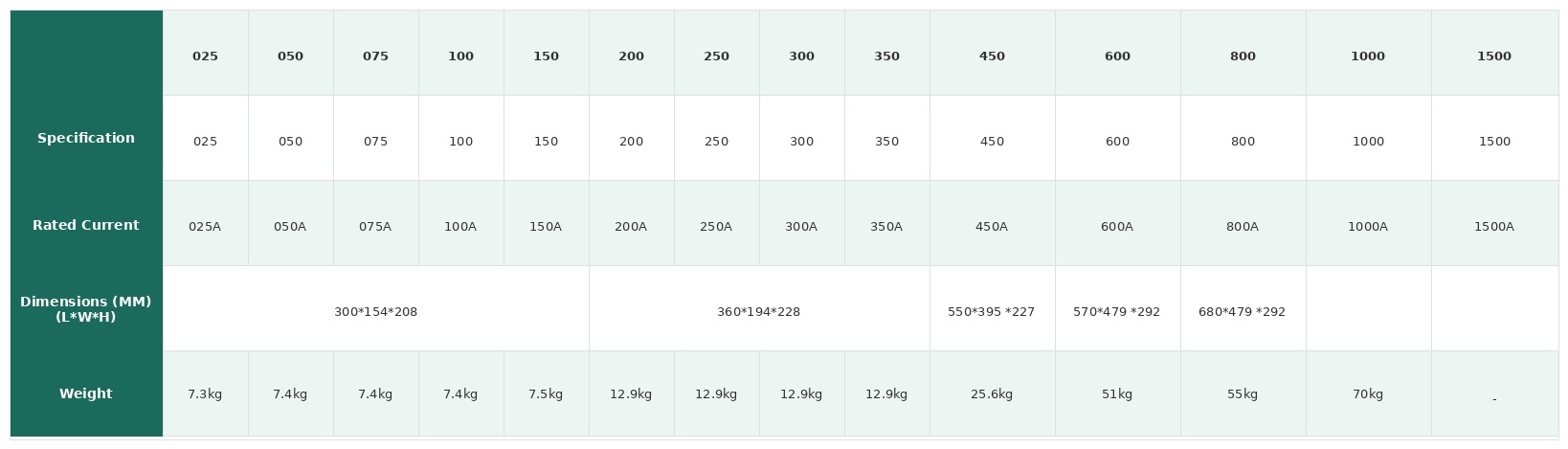
Potential Applications
•Induction Melting & Heating: Precise power delivery for induction furnaces and melting applications.
•Heat Treatment Furnaces: Accurate temperature profiling for annealing, tempering, and hardening processes.
•Industrial Drying Ovens: Stable heat control for food processing, chemical drying, and textile curing.
•Glass & Ceramic Manufacturing: Reliable power regulation for high-temperature kilns and glass melting operations.
1. Ordering Information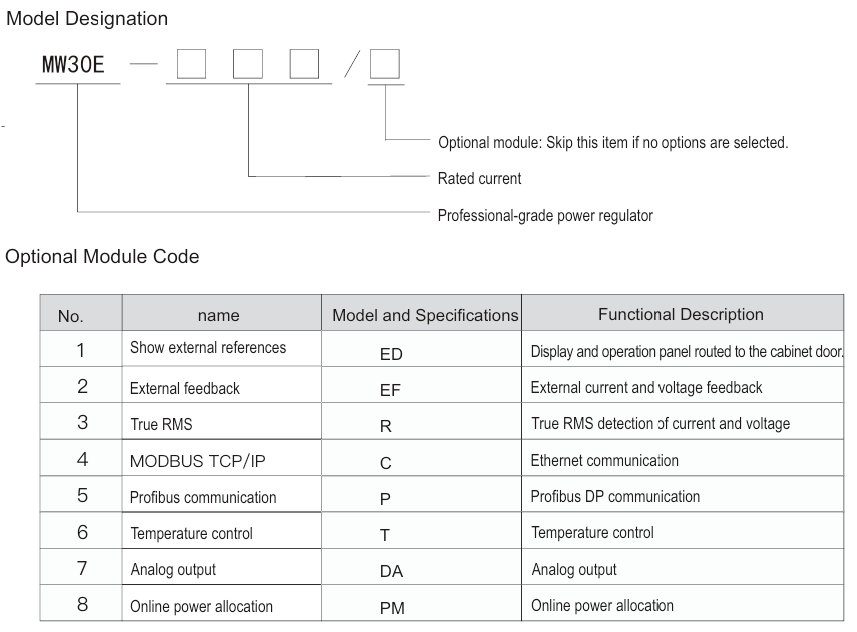
2. Ordering Example
MW30E-250-P--- MW30E series, 250 amps, with profibus DP communication
3. Detailed Information we need so that we can choose correct SCR for your application
--Please identify your load type, is it a resistive load like heaters, IR lamps , or inductive load like transformer ?
--What is the total power of your load, in this artical, we are going to use a practical example, say we have a heater system at 36KW, 400V source
--What is your electrical circuit ? it would be Delta, Star(Wye), or Star with neutral wire
--For a typical heater with 36KW, 400V source at Star configuration, the phase current will be 52.17 amps
--For MW30E series SCR, the correct model would be MW30E-075, 75 amps SCR will do the job, we have 50 amps version, but 52.17 already exceed the rating, so the better choice would be 75 amps
--One of unique feature of our MW30E is that the SCR can be use up to 100% it's rating , the 50%, 40% derating policy is not necessary for our MW30E SCR
--Please download PDF file as below to have a better understanding on the relation between phase voltage, phase current and line voltage, line current in different electrical circuit.
[PDF] How to calculate your phase current to select correct SCR
Q: What types of loads is the MW30E suitable for?
A: The MW30E is a highly versatile power regulator suitable for resistive, inductive, and capacitive loads, depending on the selected control mode. It is ideal for industrial heating elements, transformers (primary/secondary side control), and induction melting applications.
Q: Does the MW30E support constant current or constant voltage control?
A: Yes, the MW30E features advanced closed-loop PID adjustment that allows it to maintain either a constant output voltage, constant output current, or constant output power, automatically compensating for grid voltage fluctuations or changes in load impedance.
Q: Can I connect the MW30E to my existing PLC or SCADA system?
A: Absolutely. The MW30E comes standard with an RS-485 communication interface supporting the Modbus-RTU protocol. Optional expansion modules are also available for Ethernet and Profibus DP communication.
Q: How does the zero-crossing control mode benefit my application?
A: Zero-crossing control switches the power on and off precisely when the AC voltage crosses zero. This significantly reduces harmonic distortion and electromagnetic interference (EMI), while maintaining a power factor close to 1, making it an excellent choice for purely resistive loads.
Q: What happens if the regulator overheats or experiences an overcurrent?
A: The MW30E is equipped with comprehensive protection systems. If the current exceeds 125% of the rated value, it will trigger an overcurrent alarm and take protective action. Similarly, if the thyristor temperature exceeds 85°C, the unit will issue an alarm and halt output to prevent thermal damage.
Q: Can the display panel be mounted externally on a cabinet door?
A: Yes, an optional external display and operation panel (module code ED) is available. It can be connected via a standard network cable (up to 4 meters) and mounted on the cabinet door for convenient real-time data observation and parameter setting without opening the enclosure.
Q: What is the "Online Power Allocation" function mentioned in the catalog?
A: Online power allocation is an optional advanced feature designed for systems with multiple power regulators. It synchronizes the power distribution among connected devices to prevent simultaneous peak power draws, thereby improving bus current continuity and reducing the overall load on your electrical infrastructure.
Q: What are the methods of firing SCRs ?
A: There are two methods for firing SCR power controllers: Zero cross and phase angle. Not all SCRs can be fired by both methods, and some situations dictate the method required. Typical, traditional heaters are made with Nichrome wire, which supports both zero-cross and phase-angle firing. This gives you flexibility when selecting an SCR for your system.
Please download a word file from below for detailed explanation on the firing modes of a SCR, the pros and cons for different firing modes
[WORD]What are the methods of firing SCRs ?
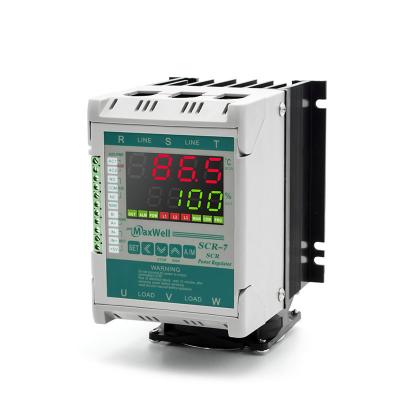
SCR-51/6/7
Intelligent Digital Display SCR Power Regulator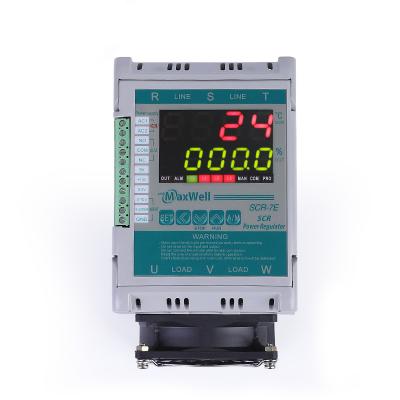
SCR-7E
Multi Input Digital Display SCR Power Regulator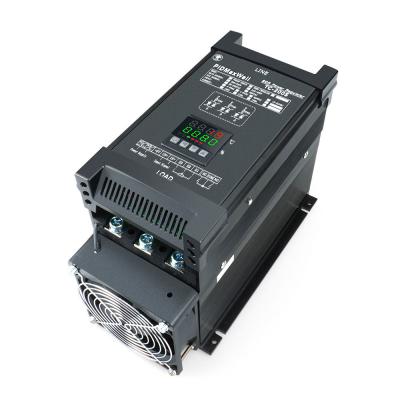
TC-200S
Advanced intelligent digital display three phase SCR Power regulator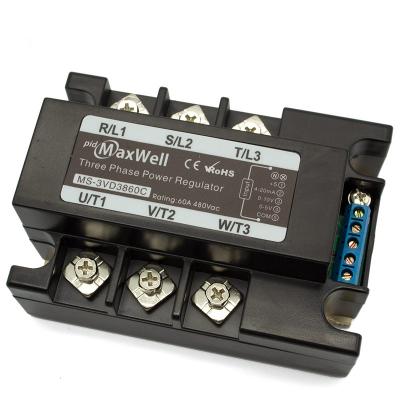
MS-3VD38
Multi Input Three Phase SCR Power Regulator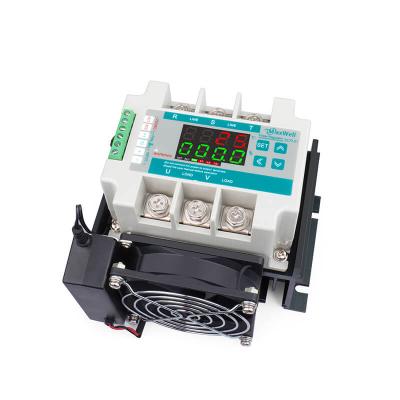
SCR-51
3 Phase SCR Power Regulator for heater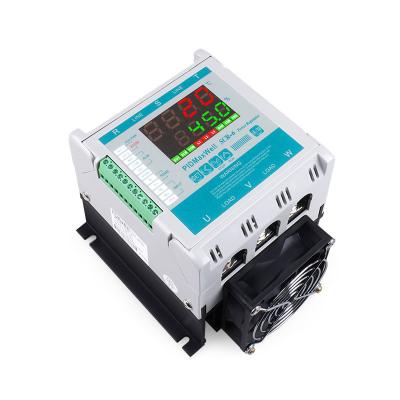
SCR-6
Three-Phase Intelligent Digital Power Regulator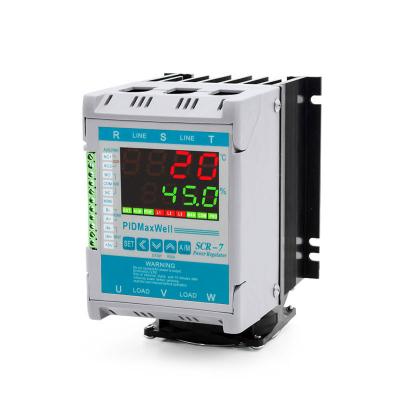
SCR-7
Three-Phase Intelligent Digital SCR Power Regulator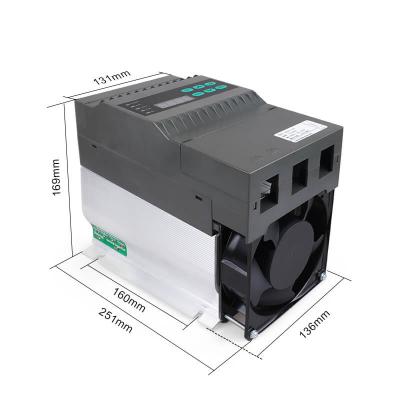
MW30L
Smart 3 Phase Thyristor Power Controller
Address : NO.201 Binhuyili, HaiCang district, XiaMen,FuJian, China 361026
Max liao: +8618150368619(whatsapp)
Email : sales@pidmaxwell.com
Scan via wechat

Scan to Whatsapp